 Skip to content
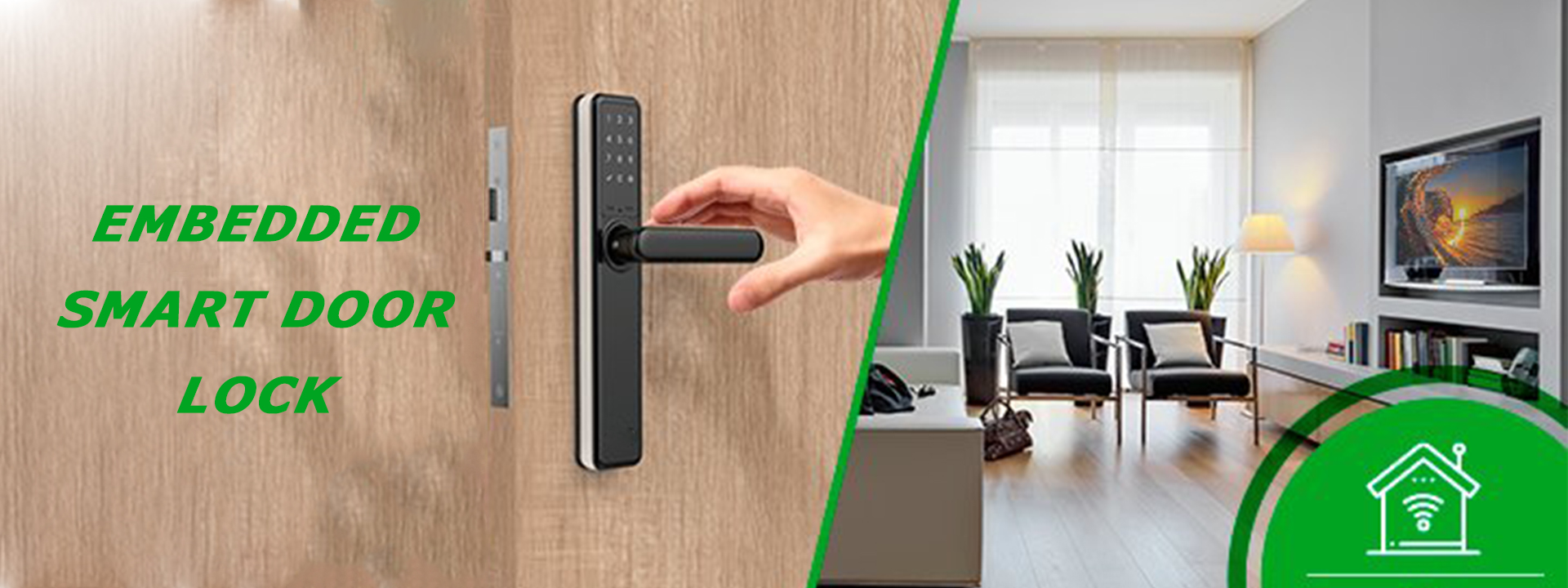
1. Introduction to Embedded Smart Door Lock OEM Partnerships
Why OEM Partnerships Matter in the Smart Lock Industry
In the cutthroat world of smart security, going solo is like trying to build a rocket in your backyard—possible, but why risk it? OEM partnerships let you leverage specialized expertise without reinventing the wheel, ensuring your embedded smart door lock isn’t just another flimsy gadget. By collaborating with seasoned manufacturers, you gain access to cutting-edge tech, scalable production, and—most importantly—fewer sleepless nights worrying about quality control.
How Embedded Smart Door Lock Is Transforming Security
Gone are the days when a sturdy deadbolt was enough to keep intruders at bay; today’s embedded smart door locks blend seamless access control with military-grade encryption. These systems don’t just lock doors—they learn patterns, alert homeowners, and even integrate with your coffee maker (because why not?). The result? A security solution that’s smarter than your average burglar and twice as reliable.
Understanding Risk Reduction in Manufacturing Partnerships
Let’s face it: not all OEMs are created equal. A shaky partnership can turn your flagship product into a recall nightmare faster than you can say “liability lawsuit.” Risk reduction hinges on vetting partners for financial stability, supply chain resilience, and a track record of delivering bulletproof hardware. Think of it as dating—would you propose on the first date, or check for red flags first?
2. The Growing Demand for Embedded Smart Door Lock
Market Trends Driving Adoption of Smart Door Locks
The smart lock market is exploding like a popcorn kernel in a microwave, fueled by urbanization, IoT mania, and a collective disdain for fumbling with keys. Consumers want embedded smart door locks that offer convenience without compromising security, and industries from hospitality to healthcare are jumping on the bandwagon. Even Airbnb hosts are swapping keyboxes for biometric entry—because nobody wants a 2 AM call from a guest locked out in pajamas.
Key Industries Investing in Embedded Smart Lock Solutions
Beyond residential use, sectors like commercial real estate and logistics are betting big on embedded systems. Imagine a warehouse where locks auto-adjust based on shift schedules, or a hospital where access logs ensure HIPAA compliance. These aren’t futuristic pipe dreams—they’re today’s ROI-driving realities.
The Role of Procurement Professionals in OEM Selection
Procurement teams aren’t just paper-pushers; they’re the unsung heroes who separate the wheat from the chaff. Their job? To sniff out OEMs that promise the moon but deliver a glow-in-the-dark sticker. A sharp procurement pro balances cost, quality, and lead times like a circus juggler—except the stakes are higher, and the lions are metaphorical (usually).
3. What Is an Embedded Smart Door Lock?
Core Technology Behind Embedded Smart Locks
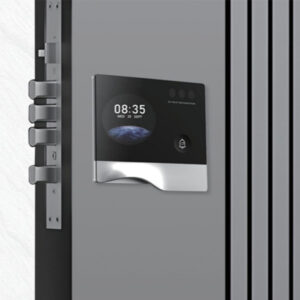
Forget clunky add-ons—embedded smart door locks are the James Bonds of access control, blending seamlessly into doors while packing a punch of tech. These locks integrate microcontrollers, encrypted wireless protocols (like Zigbee or Z-Wave), and biometric scanners directly into the door’s architecture, making them harder to hack than your ex’s social media. Unlike retrofitted smart locks, embedded systems don’t scream “I’m a gadget!”—they whisper, “I’m an impenetrable fortress.”
Differences Between Traditional and Embedded Smart Locks
Traditional smart locks are like duct-taping a smartphone to a bicycle—functional, but awkward. Embedded versions, on the other hand, are factory-installed, eliminating weak points like exposed wiring or tamper-prone external keypads. Plus, they’re designed to withstand weather, brute force, and even the occasional frustrated kick from someone who forgot their passcode.
Benefits of Embedded Systems Over Add-On Solutions
Why settle for a lock that looks like an afterthought? Embedded systems offer sleeker aesthetics, better durability, and lower maintenance since they’re built to last, not just slapped on as an upgrade. They also play nicer with smart home ecosystems, meaning fewer compatibility headaches and more seamless automation (like unlocking the door when your smart thermostat senses you’re five minutes away).
4. Why Procurement Professionals Should Prioritize Risk Reduction
Common Risks in Smart Lock OEM Sourcing Picture this: your OEM suddenly switches to subpar components to cut costs, and now your locks fail in freezing temps. Or worse—their factory gets hit with a cyberattack, leaving your supply chain in shambles. These aren’t horror stories; they’re Tuesday in the world of hardware procurement.
Financial and Reputational Impact of Poor Partnerships
A recall isn’t just expensive—it’s a PR nightmare. Imagine headlines like, “Smart Lock Giant’s Flaw Lets Burglars Walk In (Literally).” That’s the kind of publicity that sends procurement pros running for the antacids.
Securing Long-Term Reliability with Trusted OEMs
The best OEMs aren’t just suppliers; they’re partners who’ll answer your 3 AM panic calls about capacitor shortages. Look for manufacturers with decades in the game, robust disaster recovery plans, and a reputation for transparency—because surprises are great for birthdays, not for production lines.
5. Key Factors When Choosing an Embedded Smart Door Lock OEM
Evaluating Manufacturing Expertise and Certifications Would you trust a chef who microwaves everything? Neither should you trust an OEM without ISO 9001 or IEC 62443 (for IoT security). Certifications are the proof in the pudding—or in this case, the proof that your lock won’t fail during a power outage.
Assessing Supply Chain Stability and Lead Times
An OEM boasting “fast turnaround!” but relying on a single supplier for chips is like a Jenga tower in an earthquake. Diversified sourcing, buffer inventory, and regional backups are non-negotiables unless you enjoy production delays.
Importance of Customization and Scalability in OEM Contracts
Your smart lock isn’t a one-size-fits-all beanie. Can the OEM tweak firmware for niche markets (say, high-security prisons or ski resorts)? Can they ramp up production when Black Friday hits? If not, it’s time to swipe left.
6. How OEM Partnerships Mitigate Supply Chain Risks
Ensuring Consistent Material Sourcing and Inventory A rock-solid OEM doesn’t just order parts—it stockpiles critical components like a doomsday prepper. Think dual-sourcing for motors, audit-tested PCB suppliers, and contingency plans for geopolitical disruptions (because yes, trade wars affect your lock’s Wi-Fi module).
Strategies for Avoiding Production Delays and Shortages
Seasoned OEMs use predictive analytics to foresee shortages before they happen, like a weather forecaster who actually gets it right. They’ll also have alternate logistics partners on speed dial—because “the ship is stuck in the Suez Canal again” shouldn’t derail your launch.
The Role of Localized vs. Global Manufacturing in Risk Reduction
“Made locally” sounds trendy, but global OEMs with regional hubs offer the best of both worlds: cost efficiency and redundancy. For instance, a factory in Mexico serving the Americas, plus one in Poland for EMEA, means you’re never hostage to one region’s crises.
7. Quality Assurance in Embedded Smart Door Lock Manufacturing
Essential Quality Standards for Smart Lock OEMs
Beyond ISO certifications, look for OEMs that test locks like they’re training for a spy movie—salt spray tests for corrosion, 100,000-cycle endurance runs, and even “angry customer” simulations (because people will yank on a stuck lock).
How OEMs Implement Rigorous Testing Protocols
Great OEMs don’t just check boxes; they torture-test prototypes in extreme conditions. Think: Alaska-level cold, Dubai-level heat, and humidity that mimics a rainforest. If the lock survives, it’s ready for your front door.
Reducing Defects and Returns Through Strong QC Processes
A 0.1% defect rate might sound low until you’re the unlucky customer whose lock jams during a midnight bathroom run. Top-tier OEMs use automated optical inspection (AOI) and triple-check assembly lines to keep failure rates near zero.
8. Compliance and Certifications for Embedded Smart Locks
Key International Standards for Smart Lock OEMs
When it comes to security hardware, certifications aren’t just fancy stickers – they’re your first line of defense against liability lawsuits and product recalls. Top-tier embedded smart door lock manufacturers should have UL 294 (access control), EN 14846 (mechanical strength), and IEC 62443 (IoT security) certifications at minimum. It’s like getting a Michelin star for security – if the OEM doesn’t have these, you might as well be buying a lock from a vending machine.
Navigating Regional Regulatory Requirements
Selling smart locks globally? Buckle up for the regulatory rollercoaster. The EU requires CE marking and GDPR compliance for data collection, while California’s CCPA adds another layer of privacy headaches. A savvy OEM partner will have regional compliance teams who speak “bureaucrat” fluently – because nothing kills a product launch faster than customs seizing your shipment over missing paperwork.
How Compliance Reduces Legal and Operational Risks
Think of compliance as your product’s insurance policy. That FCC certification isn’t just about avoiding fines – it’s proof your lock won’t interfere with air traffic control signals. And those fire-rating tests? They’re what prevent your “smart” lock from becoming a dumb melted puddle during an emergency. An OEM that cuts corners here is basically handing you a lawsuit with a bow on top.
9. Cost vs. Value in Smart Lock OEM Partnerships
Hidden Costs to Avoid When Sourcing from OEMs
That tempting low unit cost might hide a minefield of expenses: tooling fees, MOQ surcharges, and the dreaded “engineering change order” tax. One procurement pro learned the hard way when their “bargain” OEM charged $15k just to switch from blue to black LEDs. Always demand full cost breakdowns – if an OEM hesitates, they’re probably hiding something.
How Investing in Quality OEMs Lowers TCO (Total Cost of Ownership)
Premium OEMs might charge 20% more upfront, but consider the math: their 0.5% defect rate versus a discount OEM’s 5% means 10x fewer warranty claims. Add in longer product lifespan and better energy efficiency (those AAA batteries last months longer), and suddenly that “expensive” partner saves you six figures annually. It’s the Costco principle – pay more now, save massively later.
Balancing Budget Constraints with Long-Term Reliability
The procurement tightrope walk: meet this quarter’s cost targets without creating next year’s recall disaster. The sweet spot? Tier 2 OEMs with Tier 1 aspirations – hungry enough to deal but established enough to deliver. Pro tip: negotiate extended payment terms instead of squeezing unit costs – your CFO and quality team will both send you thank-you notes.
10. Intellectual Property Protection in OEM Agreements
Risks of IP Theft in Unsecured Manufacturing Partnerships
That brilliant locking mechanism you spent 18 months developing? A shady OEM could have it on AliExpress before your first production run finishes. One brand discovered their “exclusive” design being sold under 12 different names – all from the same factory floor. Always assume anything not legally protected will be copied.
Best Practices for Safeguarding Proprietary Designs
The golden trifecta: patents for core tech (utility > design patents), watertight NDAs with liquidated damages clauses, and compartmentalized production. Smart players even split components between multiple OEMs – the casing from Factory A, the circuit boards from Factory B. It’s like the nuclear codes – no single person gets the whole picture.
Legal Considerations in OEM Contract Negotiations
Forget boilerplate agreements – you need jurisdiction clauses specifying lawsuits will be in YOUR country, audit rights to inspect factories unannounced, and escrow agreements for source code. Bonus points for including “no poaching” clauses to prevent your OEM from hiring away your engineers. Yes, it’s paranoid – until you need it.
11. The Role of Technology Integration in Reducing Risk
Ensuring Firmware & Software Security in Smart Locks
That “unhackable” lock from 2018? Today’s teenagers breach it before breakfast. Demand OEMs with dedicated security teams, regular penetration testing, and automatic OTA updates. Better yet – require SOC 2 Type II certification, the gold standard for software security. Because a lock that can be hacked via a baby monitor isn’t smart – it’s a liability.
Avoiding Obsolescence Through Future-Proof OEM Solutions
The best OEMs design for tomorrow’s standards today. Look for Bluetooth 5.2 support (not just 4.0), Matter protocol compatibility, and upgradeable hardware slots. One luxury builder got stuck with 500 obsolete locks because their OEM cheaped out on the radio module – don’t let that be you.
How IoT Compatibility Minimizes Integration Risks
A lock that doesn’t play nice with Alexa, Google Home and HomeKit is about as useful as a rotary phone. Vet OEMs for pre-certified integrations and ask for their API documentation upfront. Pro tip: require a test unit to verify performance with YOUR tech stack – because “theoretical” compatibility often crashes into reality.
12. Case Studies: Successful Embedded Smart Lock OEM Partnerships
Example 1: A Global Brand’s Risk-Free OEM Sourcing Strategy
When a Fortune 500 security company needed 200,000 locks with a 0.1% defect rate, they didn’t just audit factories – they embedded their own engineers for 6 months. The result? First-year returns under 0.3% and a partnership now in its 8th year. The lesson? Due diligence pays dividends.
Example 2: How a Startup Avoided Pitfalls with the Right OEM
This proptech newcomer almost signed with a “discount” OEM before discovering their “UL certification” was pending… for 3 years. By switching to a slightly pricier but fully-certified partner, they avoided what would have been a fatal recall when their locks failed extreme weather testing.
Example 3: Long-Term Partnership Yielding Consistent Quality
A hospitality giant’s 10-year OEM relationship proves the value of stability: joint R&D created a proprietary lock that withstands 500+ daily cycles (hotel housekeeping is rough), while volume discounts saved $2.7M annually. Their secret? Quarterly innovation workshops and profit-sharing on co-developed IP.
13. Red Flags When Evaluating Smart Lock OEMs
Warning Signs of Unreliable Manufacturing Partners
Beware the OEM that can’t explain their capacitor sourcing strategy or whose “factory tour” consists of glossy brochures. Other danger signs: high engineer turnover, refusal to share failure rate data, or sales reps who promise anything to close the deal. If it feels like buying a used car, walk away.
How to Spot Cost-Cutting That Compromises Quality
That “special price” might mean plastic gears instead of metal, or no conformal coating on PCBs. Ask for tear-down comparisons with competitors’ products and demand failure mode analysis reports. One brand saved millions by catching an OEM’s plan to use substandard zinc alloy before production started.
Avoiding OEMs with Weak Cybersecurity Practices
Ask one simple question: “How was your factory impacted by Log4j?” Blank stares mean run. Modern OEMs should have:
- Isolated test networks
- Hardware security modules for firmware signing
- Regular third-party security audits Anything less is an invitation to disaster.
14. Building a Strategic Relationship with Your OEM Partner
How Transparent Communication Strengthens Partnerships
The best relationships thrive on brutal honesty – share your 5-year roadmap, your nightmare scenarios, even your board’s quality paranoias. One CEO holds monthly “panic prevention” calls where both teams share worst-case plans. Result? Zero surprises in 4 years.
The Value of Collaborative Product Development
When an OEM’s engineers work alongside yours, magic happens. Case in point: a lock manufacturer’s suggestion to use automotive-grade connectors solved a waterproofing issue that had stumped the client’s team for months. Treat them as R&D partners, not just assemblers.
Long-Term Contracting vs. Short-Term Purchasing Benefits
While quarterly pricing seems flexible, multi-year contracts unlock:
- Priority production slots
- Custom material formulations
- Dedicated quality teams One brand secured 12% lower costs by committing to 3 years – with clauses allowing technology refreshes.
15. Future-Proofing Your Smart Lock Procurement Strategy
Emerging Technologies Impacting Smart Lock OEMs
From ultra-wideband (UWB) for keyless entry to AI-powered anomaly detection, tomorrow’s locks will make today’s look medieval. Forward-thinking OEMs are already:
- Testing graphene-based sensors
- Prototyping self-powering kinetic locks
- Developing quantum-resistant encryption
How to Ensure Your OEM Adapts to Industry Shifts
Build technology roadmap reviews into contracts – if your OEM is still touting Bluetooth 4.0 in 2024, it’s time to renegotiate. Smart buyers include “innovation KPIs” requiring annual tech updates to maintain preferred status.
Building Flexibility into Your Sourcing Model
The pandemic taught us: single-source is suicide. Modern procurement uses:
- Dual-approved OEM lists
- Regional production buffers
- Pre-qualified alternate components Think of it as supply chain yoga – the more flexible, the less likely to snap.
16. Conclusion: Securing the Right OEM for Minimized Risk
Recap of Key Risk Reduction Strategies
From cybersecurity audits to failure mode simulations, mitigating risk isn’t about eliminating threats – it’s about being prepared when (not if) they occur. The best partnerships anticipate problems before they emerge.
Final Checklist for Vetting Smart Lock OEM Partners
- Onsite factory audits completed
- 3+ customer references verified
- IP protection clauses reviewed by counsel
- Disaster recovery plans documented
- Sample units torture-tested in your labs
Next Steps for Procurement Professionals
Stop benchmarking and start acting – the perfect OEM doesn’t exist, but the right partner does. Schedule those factory visits, bring your toughest engineers, and remember: buying smart locks shouldn’t require blind faith.
16. Conclusion: Securing the Right OEM for Minimized Risk
Recap of Key Risk Reduction Strategies
From IP protection to supply chain audits, the devil’s in the details—but so’s the salvation. Prioritize OEMs with certifications tighter than a submarine door, and never underestimate the power of a watertight contract.
Final Checklist for Vetting Smart Lock OEM Partners
- Certifications: UL, CE, and ISO are your new BFFs.
- Supply Chain Transparency: If they’re cagey about sourcing, walk away.
- Cybersecurity Protocols: A lock hacked by a teen in a basement isn’t a good look.
Next Steps for Procurement Professionals
Stop reading and start acting. Draft that RFP, schedule those factory tours, and remember: in the world of embedded smart door locks, the right OEM isn’t just a vendor—it’s your co-pilot in dodging disasters.