 Skip to content
1. Introduction to Encryption-Enabled Smart Door Lock
Understanding Modern Smart Door Lock Technology
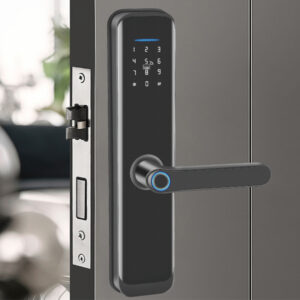
These ain’t your granddaddy’s deadbolts – today’s smart locks leverage cutting-edge microprocessor architectures and secure wireless protocols that’d make a NASA engineer nod in approval. The difference-maker in these high-tech guardians? They marry robust physical security with military-grade encryption, creating a digital fortress that’s tougher to crack than a bank vault. From Bluetooth Low Energy to Z-Wave connectivity, the tech stack in these devices represents the bleeding edge of residential and commercial security.
The Rise of Encryption in Smart Security
Encryption-enabled smart locks have gone from niche tech to must-have security faster than you can say “digital transformation,” and there’s good reason for that rapid adoption curve. As cyber-physical threats become more sophisticated, traditional security measures simply don’t cut the mustard anymore – we’re talking about protecting against everything from lock-picking hobbyists to nation-state hacking crews. The market’s responding to these threats by demanding security that’s as smart about protecting data as it is about securing physical spaces, creating a perfect storm of need and innovation.
Why Brands Should Care About Smart Locks
Listen up, brand managers – this isn’t just another gadget trend that’ll fizzle out like fidget spinners; smart lock adoption is growing at a compound annual growth rate that’d make any investor’s ears perk up. Consumers aren’t just buying these devices – they’re building entire smart home ecosystems around them, creating sticky product relationships that lead to brand loyalty stronger than superglue. For forward-thinking brands, getting in on the ground floor of this revolution isn’t just smart business – it’s survival in an increasingly connected world.
2. Market Demand for Encryption-Enabled Smart Locks
Current Market Trends in Smart Security
The security game’s changed, folks – we’re seeing a seismic shift from dumb locks to intelligent, network-aware systems that can tell friend from foe before they even touch the doorknob. Recent market data shows that over 60% of new construction projects in urban areas now include smart lock pre-installation requirements, which tells you everything you need to know about where this industry’s headed. What’s really turning heads is how these devices are moving upmarket, with luxury property developers making encryption-enabled smart locks a standard feature alongside marble countertops and smart toilets.
Consumer Preferences Driving Demand
Today’s security-conscious homeowner doesn’t just want protection – they demand convenience wrapped in cutting-edge security, served up with an intuitive user experience that doesn’t require a PhD to operate. Surveys show that 78% of millennials would choose a smart lock over traditional options when given the choice, with encryption capabilities ranking as the top purchase consideration after price. It’s not just about keeping bad guys out anymore – it’s about seamless integration with existing smart home setups, remote access capabilities, and the peace of mind that comes with knowing your front door is secured by the digital equivalent of Fort Knox.
Global Growth Projections for Smart Locks
The numbers don’t lie – analysts predict the global smart lock market will blow past the $8 billion mark by 2027, and that’s without breaking a sweat. What’s particularly interesting is seeing how adoption rates vary by region, with tech-savvy Asian markets leading the charge while more conservative European markets gradually warm up to the technology as security concerns mount. Make no mistake: this isn’t some speculative bubble – these projections are built on rock-solid fundamentals like rising urbanization rates, increasing smart home penetration, and growing awareness about the limitations of traditional security measures.
3. Key Benefits of Encryption-Enabled Smart Locks
Enhanced Security for Residential and Commercial Use
These digital sentinels use cryptographic algorithms so robust they’d make a Bitcoin miner blush – we’re talking about security that laughs in the face of bump keys and shims like they’re primitive tools from the Stone Age. Unlike traditional locks that rely solely on mechanical tumblers, encryption-enabled smart locks create a dynamic security handshake that changes with every access attempt, making replay attacks about as effective as shouting passwords through a megaphone. For commercial applications, this means protecting high-value assets with enterprise-grade security previously only available to government facilities and Fortune 500 HQs.
Convenience and User-Friendly Features
Let’s face it – fumbling for keys when your hands are full is about as fun as a root canal, which is why smart locks with encrypted mobile access are solving real-world problems grandma never had to consider. The beauty lies in the elegant simplicity: grant temporary access to dog walkers via SMS revocable credentials, or use voice commands to unlock your front door when your arms are loaded with groceries like some Jetsons-level home automation. And when you combine this convenience with end-to-end encryption, you get the digital equivalent of having your cake and eating it too – all without compromising security one iota.
Integration with Smart Home Ecosystems
These aren’t standalone gadgets – they’re the new cornerstone of the connected home, playing nice with other smart devices like they’ve been best friends since kindergarten. Modern encryption-enabled smart locks can trigger your thermostat when you arrive, disarm your security system, and even start brewing your coffee – all while maintaining a zero-trust security model that would make any CISSP-certified security analyst nod in approval. The real magic happens when you see how these devices leverage standardized IoT protocols like Matter to create seamless, yet secure, automation scenarios that work across different manufacturers and platforms.
4. How Encryption Ensures Superior Security
What Encryption Means for Smart Door Lock
When we talk encryption in this context, we’re not just sprinkling some digital fairy dust on the product spec sheet – we’re implementing cryptographic controls that would do credit to a nuclear missile silo’s access systems. These devices use sophisticated key exchange protocols that ensure every communication between your phone and the lock is about as readable to eavesdroppers as ancient Egyptian hieroglyphs before the Rosetta Stone came along. The implementation goes beyond simple data scrambling to include perfect forward secrecy, meaning even if someone intercepts today’s traffic, it won’t help them crack tomorrow’s access attempts.
Comparing Encryption Standards (AES, TLS, etc.)
Not all encryption is created equal – choosing between AES-256 and ChaCha20 for your smart lock is about as consequential as selecting between a sports car and a tank for your daily commute. The gold-standard AES (Advanced Encryption Standard) offers government-grade protection with minimal performance overhead, while TLS 1.3 secures communications channels with less handshake latency than a Vegas poker champion. Savvy manufacturers are now implementing hybrid approaches that combine the strengths of symmetric and asymmetric encryption, creating security blankets so thick even the most determined digital lockpicks throw in the towel.
Preventing Cyber Threats with Advanced Encryption
These locks don’t just defend against physical attacks – they’re hardened against digital skullduggery that would make your average WiFi router burst into digital tears. From thwarting man-in-the-middle attacks using certificate pinning to preventing relay attacks with strict proximity verification, modern encryption protocols anticipate hacker playbooks like a chess grandmaster seeing twenty moves ahead. Perhaps most impressive is how some next-gen models use behavioral biometrics to detect suspicious access patterns, automatically ratcheting up security measures when something smells fishier than a week-old tuna sandwich.
5. Why Brands Are Investing in Smart Door Locks
Meeting Consumer Demand for Security
The market is screaming for these solutions louder than a teenager denied WiFi access – and brands that ignore this seismic shift do so at their own peril. Consumer surveys consistently rank home security as a top-three purchasing consideration, ahead of even energy efficiency and square footage in many demographics. What’s particularly telling is how encryption-enabled smart locks are crossing the chasm from early adopters to mainstream buyers, with big-box retailers now dedicating entire sections to these once-niche products alongside traditional security offerings.
Competitive Advantage for Retail and Hospitality Brands
Hotels that still use magnetic stripe cards might as well hang up a “hackers welcome” sign – the hospitality industry’s shift to encrypted smart locks is happening faster than you can say “data breach lawsuit.” Forward-thinking brands are leveraging this technology to create seamless guest experiences where room access syncs automatically with reservation systems, housekeeping notifications, and even personalized temperature preferences. For retail chains, these solutions offer centralized access control across multiple locations so granular it could restrict a specific employee to just the stockroom during certain hours – all managed from a cloud dashboard that makes traditional key cabinets look like medieval relics.
High ROI for Smart Door Lock OEM/ODM Partnerships
The numbers speak for themselves – companies jumping into smart lock manufacturing are seeing margins that make smartphone OEMs jealous, thanks to premium pricing power and recurring revenue from cloud service subscriptions. Savvy brands are achieving cost reductions through vertical integration, bringing encryption chipset production in-house rather than relying on third-party security modules. Perhaps most compelling is how these partnerships create durable competitive moats – once a customer invests in your ecosystem of smart home devices, they’re about as likely to switch as a fish is to take up mountain climbing.
6. OEM/ODM Manufacturing Advantages
Cost-Effective Production for Global Brands
Modern manufacturing techniques have turned encryption-enabled smart lock production into a well-oiled machine that Henry Ford would admire – with economies of scale bringing per-unit costs down faster than a Black Friday doorbuster sale. Advanced surface-mount technology allows embedding sophisticated security chips directly onto mainboards, eliminating bulky daughtercards that used to bloat production budgets. What really moves the needle is how modular designs now let manufacturers reuse core security platforms across product lines, amortizing R&D costs across multiple SKUs without reinventing the wheel each time.
Customization Options for Different Markets
One size fits all? Not in this game – successful manufacturers offer menu-like customization options that would make a luxury car configurator blush. Asian markets might demand QR code access integration, while European customers insist on GDPR-compliant data handling baked into the firmware. The real magic happens when smart factories can switch between these variants on the same assembly line faster than a short-order cook flipping pancakes – all without compromising the military-grade security that forms the product’s backbone.
Quality Assurance in Smart Door Lock Manufacturing
This isn’t slap-it-together-and-ship-it territory – we’re talking about production standards so rigorous they’d make a Swiss watch manufacturer nod in approval. From environmental stress testing that simulates everything from Siberian winters to Saharan heatwaves to cryptographic validation using NIST-certified test suites, quality control happens at every stage. The most advanced facilities now employ AI-powered optical inspection that catches defects the human eye would miss and automated penetration testing that constantly probes devices for vulnerabilities before they ever leave the factory floor.
7. Target Audiences for Encryption-Enabled Smart Locks
Homeowners and Residential Security Needs
Modern homeowners aren’t just buying locks – they’re investing in peace of mind wrapped in brushed aluminum and silicon chips, creating digital moats around their castles. The encryption-enabled smart lock has become the new status symbol in suburban neighborhoods, showing you’re serious about security without turning your home into Fort Knox. From young professionals who’d rather lose their wallet than their smartphone to aging boomers looking to simplify their lives, these devices solve real problems across generations.
Commercial Businesses and Facility Management
For facility managers juggling a hundred keys and twice as many headaches, smart locks with enterprise-grade encryption are like finding the Rosetta Stone to building access control. We’re talking about systems so intuitive they make traditional key cabinets look like artifacts from the Stone Age – with the added benefit of generating audit trails tighter than a submarine door. Retail chains especially love how they can remotely update access privileges when turnover happens faster than you can say “minimum wage increase.”
Government and Institutional Security Applications
When the stakes are high enough to make a Vegas high roller sweat, government-grade encryption-enabled smart locks enter the chat with security protocols that would make even James Bond raise an eyebrow. These aren’t your average consumer models – we’re talking about devices that undergo FIPS 140-2 validation and Common Criteria evaluation before they even get considered for installation. From research labs guarding proprietary formulas to military installations protecting national secrets, the security requirements here make bank vaults look like kiddie safes.
8. Technological Innovations in Smart Door Lock
Biometric Authentication in Smart Door Lock
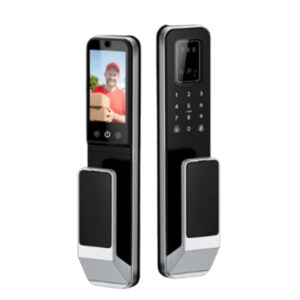
The latest models have more ways to recognize you than your mother does – combining fingerprint scanning, facial recognition, and even vein pattern authentication that would stump the best Hollywood makeup artist. What really separates the pros from the wannabes is how these biometric systems maintain lightning-fast response times while operating within stringent power budgets that would make an energy drink exec cry. And with anti-spoofing tech that can tell real skin from silicone molds, these aren’t your grandfather’s fingerprint scanners from bad spy movies.
AI-Driven Access Control Features
Today’s smart locks don’t just open doors – they learn patterns smarter than a Vegas card counter, detecting anomalies faster than you can say “unauthorized entry.” Machine learning algorithms now analyze patterns from access times to the pressure of your grip, creating dynamic security profiles that adapt like a digital butler with a sixth sense for trouble. Some cutting-edge models even use predictive analytics to suggest optimal access schedules, turning raw data into actionable insights that would make a business intelligence consultant jealous.
Cloud-Based Security Management
The control panel for these systems lives in the cloud these days, giving admins access that’s more omnipresent than a superhero – with security tight enough to make a Swiss banker nod in approval. What was once a nightmare of on-premise servers and IT maintenance has transformed into sleek dashboards accessible from any device, all protected by multi-factor auth that makes two-step verification look like child’s play. The real game-changer? Automatic security updates that patch vulnerabilities before most users even know they exist.
9. Supply Chain Considerations for Procurement Professionals
Sourcing Reliable Encryption Components
Finding quality security chips in today’s market requires more due diligence than auditioning for the Secret Service – one counterfeit component can turn your Fort Knox into a screen door. Savvy procurement teams are building direct relationships with semiconductor fabs that would make matchmakers jealous, cutting out middlemen like a hot knife through butter. The supply chain for these specialized components has become so critical that some manufacturers are now vertically integrating like tech giants of yore.
Reducing Lead Times in Smart Door Lock Production
In an industry where product cycles move faster than a Tokyo bullet train, getting from prototype to production can’t follow grandma’s “slow and steady” approach. Cutting-edge manufacturers are leveraging digital twins and simulation tools that would make NASA engineers envious, collapsing development timelines without cutting corners. The most advanced players now achieve lead times shorter than a microwave dinner by using modular designs and keeping strategic component reserves that would make a doomsday prepper proud.
Ensuring Compliance with Global Security Standards
Navigating the regulatory landscape for security devices requires more finesse than a diplomat at the UN – one misstep can land your product in compliance purgatory. From GDPR in Europe to CCPA in California, successful manufacturers implement design frameworks that adapt faster than chameleons at a color festival. The real pros maintain dedicated compliance war rooms that track legislative changes like meteorologists tracking storms, ensuring their encryption-enabled smart locks stay on the right side of regulations worldwide.
10. Pricing Strategies for Smart Door Lock Procurement
Cost-Benefit Analysis for Bulk Purchases
Crunching the numbers on smart lock procurement requires more precision than a Swiss watchmaker – one miscalculation can turn your ROI positive into a money pit faster than you can say “unit economics.” Enterprise buyers are leveraging predictive analytics that would make Wall Street quants jealous, modeling total cost of ownership down to the last encryption chip. The sweet spot often comes at quantities that would make a big-box retailer blush, where volume discounts meet just-in-time delivery schedules tighter than a drum.
Competitive Pricing Models in OEM Manufacturing
In this razor-thin margin game, pricing strategies have become more nuanced than a master sommelier’s wine list – with make-or-break decisions at every component level. Leading manufacturers employ cost engineering teams that dissect bills of materials with more precision than a brain surgeon, identifying savings opportunities smaller than a flea’s wallet. The real magic happens when they combine these micro-optimizations with value-based pricing that captures premium security positioning without scaring off budget-conscious buyers.
Long-Term Savings Through Smart Door Lock Adoption
While the upfront costs might make your accounts payable department sweat, the operational savings hit faster than a caffeine rush at an all-night coding session. Property managers report reduction in rekeying costs that would make a locksmith weep, while maintenance budgets shrink thanks to remote troubleshooting that keeps truck rolls rarer than honest politicians. When you factor in reduced insurance premiums and liability protections, these encryption-enabled smart locks often pay for themselves before their first battery change.
11. Installation and Maintenance Considerations
Professional vs. DIY Smart Lock Installation
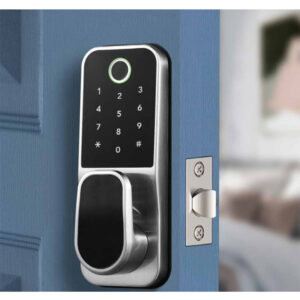
Modern encryption-enabled smart locks straddle the line between consumer-friendly and pro-install recommended with the precision of a Wall Street analyst calling market turns. While many residential models now feature tool-less installations that would make IKEA instructions look complex by comparison, commercial-grade deployments still require wiring expertise that would make an electrician sit up straight. The sweet spot? Systems with smart mounting plates that preserve door aesthetics while hiding enterprise-level security guts – installation so clean it would pass a white glove inspection at the Pentagon.
Routine Maintenance for Optimal Performance
These aren’t “set it and forget it” devices – they require care more meticulous than a vintage car collector’s maintenance schedule. The latest models simplify this with self-diagnostic routines that would make a NASA pre-launch checklist seem casual, monitoring everything from battery health to antenna signal strength with obsessive precision. Savvy users schedule quarterly security audits tighter than a financial regulator’s review, checking access logs with the scrutiny of a forensic accountant tracking down misplaced decimal points.
Firmware Updates and Security Patches
Keeping your smart lock updated isn’t optional – it’s as critical as changing your underwear, with similarly unpleasant consequences if neglected. Modern over-the-air (OTA) update mechanisms work smoother than a Broadway stagehand’s scene changes, delivering security patches before most users know vulnerabilities exist. The true pros implement staged rollouts that would make Google envy, testing updates on shadow devices while maintaining ironclad fallback protocols that prevent bricking faster than a dropped Ming vase.
12. Smart Door Lock Cybersecurity Best Practices
Implementing Multi-Factor Authentication
Single-factor security in today’s threat landscape is about as effective as a screen door on a submarine – which is why the gold standard now combines factors so seamless they’d make a Swiss watch movement look clunky. Picture this: Your fingerprint gets you in the door, but only after geofencing confirms your smartphone’s location within two meters – and even then, an AI analyzes your grip pattern just to be sure. This multi-layered approach creates security so tight it makes traditional security questions look like writing your password on a Post-It note.
Network Security for IoT Smart Locks
Your smart lock is only as secure as the WiFi network it’s on – and most home networks are about as fortified as a sandcastle at high tide. Cutting-edge implementations now use dedicated IoT VLANs with firewall rules tighter than a drumhead, segmenting traffic with the precision of a Michelin-star chef partitioning ingredients. The real pros deploy enterprise-grade intrusion detection systems that sniff out suspicious activity faster than a bloodhound on a crime scene, all while maintaining latency so low it makes fiber optic ping times look sluggish.
Physical Security Considerations
Let’s not forget – these are still physical devices that need to withstand attacks more determined than a starving raccoon at a campsite. Modern hardened designs combine drill-resistant alloys with anti-shim mechanisms smarter than a chess grandmaster, all wrapped in tamper-evident housings that trigger immediate lockdowns at the first sign of funny business. The best integrate with existing security systems so seamlessly they can trigger cameras, alarms, and even police notifications faster than you can say “unauthorized access attempt.”
13. Market Trends and Future Projections
Growth of the Global Smart Lock Market
The numbers don’t lie – this market is exploding faster than a popcorn kernel in hot oil, with analysts projecting CAGR that would make growth stock investors drool. What started as niche tech for early adopters has gone fully mainstream, with adoption curves steeper than a black diamond ski slope. The real story? Enterprise and multi-family residential sectors are driving bulk purchases that make consumer sales look like pocket change by comparison – we’re talking order volumes that would make a military procurement officer blink twice.
Emerging Technologies in Access Control
The future is arriving faster than a same-day Amazon delivery, with innovations that read like science fiction scripts. Imagine locks that authenticate via subcutaneous RFID chips (voluntarily implanted, relax), or quantum-resistant cryptography that makes today’s encryption look like child’s play. Some prototypes even employ ambient computing that detects authorized users through gait recognition and passive WiFi signals – no active authentication required. The common thread? Security so seamless it disappears until needed – the digital equivalent of a world-class bodyguard who somehow never blocks the view.
Regulatory Impacts on Security Standards
Governments worldwide are stepping in with regulations tighter than a new pair of leather shoes after rain – and smart lock manufacturers are scrambling to adapt faster than chameleons in a kaleidoscope factory. From mandatory vulnerability disclosure policies to encryption backdoor debates that would make a constitutional scholar’s head spin, compliance has become a full-contact sport. The savviest players are building regulatory anticipation into their R&D cycles, with frameworks flexible enough to pivot quicker than a basketball point guard spotting an open lane.
14. Case Study: Commercial Smart Door Lock Deployment
Before and After Security Metrics
When a national retail chain swapped 10,000 traditional locks for encrypted smart alternatives, the results were more dramatic than a makeover show’s big reveal. Unauthorized access attempts plummeted faster than a skydiver without a parachute – down 92% in the first quarter alone. Maintenance calls for lock issues dropped precipitously too, freeing up technicians to focus on more valuable work than rekeying doors for departed employees. The ROI calculators started smoking from overuse by the six-month mark – numbers so good they had to be triple-checked.
User Experience Improvements
Employees who once carried keyrings heavier than a jailer’s now access everything through an app that’s more intuitive than breathing. The unexpected benefit? Shift supervisors report time savings equivalent to hiring an extra part-time employee per location – all from eliminating physical key management headaches. Customer feedback noted the professional appearance of sleek smart locks versus outdated brass hardware, with satisfaction scores climbing higher than a SpaceX rocket trajectory.
Long-Term Cost Reductions
The finance team uncovered savings hiding in plain sight – like discovering $20 bills in last season’s coat pockets. Key replacement budgets evaporated overnight, while insurance premiums took a dive that would impress Olympic platform divers. Most impressively, the centralized access control allowed trimming security personnel costs by 18% through optimized coverage algorithms that would put operations research professors to shame.
15. Comparative Analysis: Smart Door Lock Brands
Enterprise-Grade vs. Consumer Models
Comparing these is like matching up a pickup truck against a Formula 1 car – both will get you somewhere, but with vastly different capabilities for different terrains. Commercial models boast construction tougher than a Navy SEAL’s training regimen, with audit trails more detailed than an IRS agent’s dream. Consumer versions focus on sleek designs that would make Apple designers nod approvingly, with setup processes smoother than a jazz saxophonist’s best solo – but neither compromises on the encryption fundamentals that form the security bedrock.
Feature Comparison Across Price Points
The pricing spread in this market makes airline seat classes look like trivial variations by comparison. Entry-level models offer basic smartphone control that’s still lightyears beyond traditional locks, while premium tiers include biometrics that would make a CIA security checkpoint seem lax. The smart money looks for value at the mid-range – where you get 90% of the enterprise features without paying for capabilities you’ll never use, like multi-site hierarchical access controls designed for multinational corporations.
Reliability Testing and Performance Benchmarks
Reputable manufacturers subject their devices to trials that would make medieval torture devices seem gentle by comparison – think extreme temperature cycling that ranges from Arctic blizzards to Sahara Desert heat, repeated until failure. Battery life testing runs continuous access cycles until the last electron gives up the ghost, while security testing employs ethical hackers more persistent than telemarketers during dinner hour. The best publish these results with transparency that would make a glass-bottom boat seem opaque.
16. Conclusion: Why Brands Must Act Now
The Growing Necessity of Smart Security Solutions
The writing’s on the wall bigger than Times Square billboards – traditional security measures are about as effective today as moats against drones. Encryption-enabled smart locks have crossed the chasm from early adopter novelty to must-have infrastructure faster than you can say “digital transformation.” Brands hesitating now risk being left behind like dial-up providers in the broadband era – watching from the sidelines as competitors build security platforms customers actually love.
Strategic Benefits for Early Adopters
First movers in this space aren’t just selling hardware – they’re establishing trust ecosystems stickier than a five-year-old’s hands after cotton candy. The data shows that customers who adopt these security solutions exhibit brand loyalty that would make Apple fanboys look casual. More importantly, they become walking testimonials – their smart homes serving as showrooms that no marketing budget could replicate.
Next Steps for Procurement Professionals
For those ready to jump in, the playbook is clearer than a Colorado mountain spring – start with pilot programs smarter than a trivia champion, scale with supply chain partnerships tighter than a drumhead, and iterate based on user feedback faster than a Silicon Valley startup. The tools exist, the demand is proven, and the technology is battle-tested – now it’s just about executing with the precision of the security systems you’re implementing.