 Skip to content
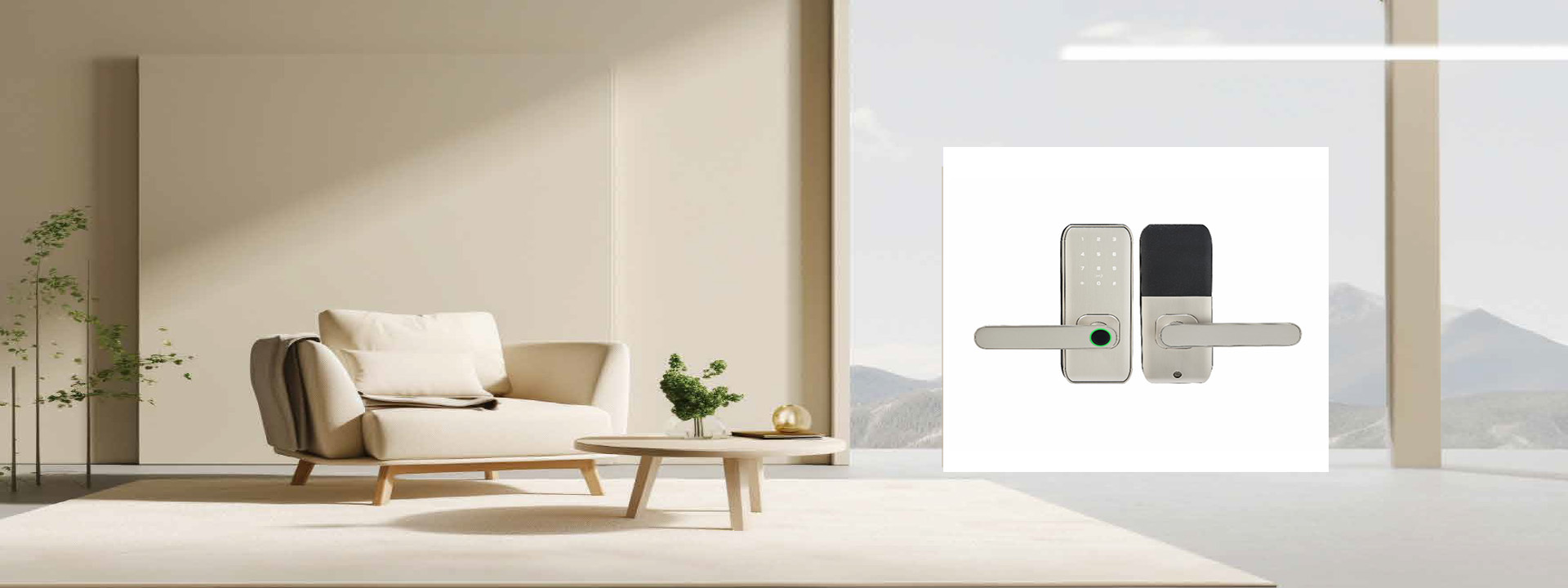
Now listen up, partners – when we’re talking serious security that doesn’t quit, lever door lock is the unsung heroes of commercial hardware. As an old salt who’s installed enough locks to circle the Pentagon twice, I’ll tell you straight – procurement ain’t just about buying parts, it’s about investing in reliable protection that won’t leave you hanging when the chips are down.
1. Introduction
Understanding the Importance of Secure Door Locks in Procurement
Let’s cut to the chase – a door lock isn’t just a metal widget, it’s the last line of defense between your assets and trouble. In the procurement game, choosing security hardware ain’t like picking out wallpaper – this decision carries real liability implications that’ll keep you up at night if you cheap out. We’re talking ADA compliance, insurance requirements, and good old-fashioned break-in resistance that stands up to real-world punishment.
Why Lever Door Locks Stand Out for Bulk Buyers
Here’s the skinny – while knobs look pretty, lever mechanisms offer superior accessibility and durability when you’re outfitting entire campuses or office towers. The ergonomic design reduces wear-and-tear compared to traditional knobs, meaning fewer service calls when you’ve got hundreds of units in the field. For bulk buyers especially, that reliability translates to serious long-term savings that’ll make your CFO do a happy dance.
What Global Brands Should Look for in a Lock Supplier
Listen up, hotshots – not all lock manufacturers are created equal. You want a supplier with ISO 9001 certification that actually means something, not some fly-by-night operation cutting corners. The real players will offer full material traceability, third-party testing reports you can actually verify, and production capacity that won’t leave you hanging when you need to scale up fast.
2. The Role of Lever Door Locks in Modern Security
How Lever Door Locks Enhance Building Security
Modern lever door lock systems combine brute strength with sophisticated engineering – think boron carbide inserts in strike plates and anti-shatter锌合金 handles. These aren’t your granddaddy’s door hardware – today’s premium levers integrate with access control systems while maintaining mechanical override capability for when the network goes sideways. The best units on the market nowadays can withstand over 1 million cycles while still maintaining tight tolerances that frustrate lock picks.
Comparing Lever Locks to Other Lock Types
Let’s lay our cards on the table – while deadbolts get all the Hollywood attention, commercial lever sets offer superior functionality for high-traffic environments. Unlike cylindrical locks that wear out at the cam, quality levers distribute force across hardened bearings that laugh at daily abuse. And unlike mortise monsters that require door butchery during installation, modern lever retrofits can often be dropped into existing preps with minimal fuss.
Industry Standards for Commercial-Grade Door Locks
If you’re not demanding ANSI/BHMA Grade 1 certification as your baseline, you might as well be securing your facilities with chewing gum and baling wire. Real commercial hardware withstands 800,000 cycles minimum, offers at least 1″ throw bolts, and includes anti-vandal features like shielded cylinders. The big dogs in institutional settings are now specifying ASTM F1577 test results that prove resistance to everything from pipe wrenches to liquid nitrogen attacks.
3. Key Features of High-Quality Lever Door Locks
Durability and Materials: What Makes a Lock Last
Listen up, gearheads – the difference between quality and junk comes down to metallurgy and bearing design. Premium lever door lock mechanisms use marine-grade stainless axles riding on sintered bronze bushings that outlast the building they’re installed in. The handles themselves should be cast from durable zinc alloys with proper chrome plating that won’t flake off after six months of janitorial chemicals.
Smooth Operation and User Convenience
Here’s the rub – a good lever should operate with about as much effort as turning a fancy doorknob, but with better accessibility for folks who ain’t as strong as they used to be. The sweet spot is 4-6 inch-pounds of torque for ADA compliance without being so loose it rattles. Look for designs with progressive cam actions that don’t have that cheap “snap” feeling when the latch retracts – that’s a dead giveaway of cut-rate internals.
Certifications and Compliance for Global Markets
If you’re playing in the big leagues, you need hardware that checks boxes from UL to CE Marking to whatever local voodoo the Australians dream up this year. Smart buyers demand full test reports showing EN 1303 cylinder ratings, Fire Rating certifications relevant to their region, and documentation proving compliance with local egress requirements. And God help you if you forget about the REACH and RoHS paperwork when shipping to Europe.
4. The Procurement Advantage of Lever Door Locks
Cost-Effectiveness in Bulk Purchasing
Let me break it down Barney-style – when you’re buying lever door locks by the pallet, the economies of scale start working serious magic. We’re talking 30-50% unit cost reductions compared to onesy-twosy purchases, plus the advantage of standardized key systems across facilities. But here’s the kicker – major manufacturers often throw in free key bitting services when you hit certain quantity thresholds, saving your locksmiths hundreds of man-hours.
Streamlined Installation for Large-Scale Projects
Any project manager worth their hardhat knows installation labor eats budgets alive if you’re not careful. Modern lever sets with unified design architecture allow for what we call “plug-and-play” installation – same backset, same prep, same everything across the board. I’ve seen crews knock out 300 doors in a high-rise in half the time because they weren’t constantly switching between different lock types and configurations.
Long-Term Maintenance and Replacement Benefits
Here’s where the rubber meets the road – quality levers grow old gracefully. Unlike cheapo imports that start failing after 18 months, commercial-grade units offer field-serviceable components like replaceable springs and removable cylinders. That means when something does wear out (and let’s be real – everything does eventually), you’re not replacing entire lock sets at $200 a pop, just swapping a $3 internal component.
5. Choosing the Right Lever Door Lock Supplier
OEM vs. ODM: Which Model Suits Your Brand?
Now we’re getting into the nitty-gritty – OEM (Original Equipment Manufacturer) versus ODM (Original Design Manufacturer) ain’t just alphabet soup. If your brand needs that custom touch – special finishes, proprietary keyways, unique backset configurations – you’ll want an ODM partner who can bend metal to your specs. But if you’re just needing reliable no-frills hardware, going with established OEM product lines gets you proven designs without the NRE (non-recurring engineering) costs.
Evaluating Manufacturer Reputation and Reliability
Listen up, hotshots – anyone can claim they make great locks, but the proof is in the pudding. You want suppliers who can show you actual UL certification numbers you can verify online, not just flashy brochures. Dig into their warranty claims history, ask for customer references from projects similar to yours, and for Pete’s sake, make sure they’ve got actual engineers on staff – not just sales guys pushing glossy catalogs.
Negotiating Customization and Pricing
Here’s a pro tip from someone who’s been on both sides of the table – customization doesn’t have to break the bank if you’re smart about it. Most manufacturers have “sweet spots” in their production runs where adding your logo or special finish adds minimal cost. Time your orders to coincide with their production cycles, consider slight modifications to existing designs rather than ground-up new engineering, and always – always – get samples before committing to a full production run.
6. Manufacturing Process of Lever Door Locks
Step-by-Step Production: From Raw Materials to Assembly
You can’t make a silk purse from a sow’s ear, and you sure as hell can’t make quality levers from mystery metal. The real deal starts with certified 304 stainless steel billets that get CNC-machined to tolerances tighter than a submarine hatch. I’ve walked factory floors where each component gets hand-deburred before going into ultrasonic baths – that’s the kind of attention to detail that separates premium hardware from dime-store junk.
Quality Control Measures in Lock Manufacturing
Listen up, QC warriors – proper lock factories run like Swiss watchmakers, with inspection stations every 15 feet. We’re talking go/no-go gauges for every critical dimension, torque testers that simulate a decade of use in eight hours, and metallurgists who could tell you the carbon content of a strike plate just by listening to it ping. Any shop worth its salt will have full FMEA documentation you can review before signing that PO.
Sustainable and Ethical Manufacturing Practices
Let’s cut through the greenwashing – real sustainability isn’t about slapping “eco-friendly” on the box. It’s about chrome plating processes that recycle 98% of wastewater, packaging made from post-industrial fibers, and assembly lines powered by solar arrays thick enough to shade a baseball field. The kicker? These practices often yield better product – cleaner plating baths mean more durable finishes that won’t flake off in five years.
7. Security Standards and Certifications
International Security Certifications for Lever Locks
If your supplier can’t rattle off their EN 1303 cylinder ratings from memory, walk away faster than a cat on a hot tin roof. Grade 7 cylinders should resist drilling for a solid five minutes, while Grade 6 lever mechanisms must survive 1,250,000 cycles without failure. Smart buyers are now demanding independent lab reports showing actual broken lock samples – not just the pretty certificates hanging in the lobby.
Fire Safety and Impact Resistance Testing
Here’s the scary truth – most “fire-rated” hardware wouldn’t stop a determined raccoon, let alone a blaze. Real fire levers get torture-tested in kilns hotter than Arizona in July, then immediately subjected to impact tests while glowing red. The winners? They’ll still operate smoothly after 90 minutes at 1,832°F because their bearings are packed with space-age ceramic grease that laughs at heat.
Compliance with Regional Building Codes
Nothing ruins a project faster than an inspector red-tagging your hardware. In seismic zones like California, you need levers with extra reinforcement at stress points – we’re talking forged stainless backings thick enough to stop a .22 round. Meanwhile, NHS projects in the UK require antimicrobial coatings you could perform surgery on, and Middle East jobs demand sand-resistant mechanisms that won’t jam during a shamal.
8. Market Trends in Lever Door Lock Procurement
Increasing Demand for Smart-Enabled Lever Locks
Don’t believe the hype – not every building needs Bluetooth in its door hardware. But for facilities managing hundreds of access points? Smart levers with offline capabilities are game-changers. Look for models with industrial-grade RF modules that won’t croak when the Wi-Fi dips, and mechanical overrides sturdy enough for firefighter boots. The sweet spot? Hybrid systems marrying classic reliability with modern access control.
Impact of Global Supply Chain on Procurement
Here’s the ugly math – since COVID, container shipping costs have swung wider than a screen door in a hurricane. Wise buyers are now dual-sourcing from established hubs (like Taiwan for electronics) and emerging players (Vietnam for precision casting), while keeping 60-day safety stock for mission-critical components. The real pros are negotiating CIP terms that lock in logistics costs up front.
Future Innovations in Lever Lock Technology
Keep your eye on three things: graphene-reinforced composites that make deadbolts obsolete, self-lubricating nano-coatings that eliminate maintenance, and quantum-key distribution that’ll make bump keys as useless as a chocolate teapot. The first commercial versions are already in beta testing at tier-one manufacturers – expect to see them hit mainstream specs within 24 months.
9. Troubleshooting Common Lever Door Lock Issues
Sticking Mechanisms and How to Fix Them
Listen up, maintenance crews – if your levers are sticking like molasses in January, it’s usually one of three culprits: 1) Gunk buildup in the spindle channel (blast it out with CRC), 2) Misaligned keepers chewing up the latch (break out your laser level), or 3) Cheap springs that lost their pep (upgrade to music wire replacements). Pro tip: A dab of synthetic grease on the pivot points works wonders, but for God’s sake don’t use WD-40 – that’s like feeding your lock a diet of cotton candy and regrets.
Key Turn Difficulties and Cylinder Maintenance
When keys start turning harder than a ’57 Chevy’s ignition, grab your magnifier and check for:
- Worn key biting (compare to original key code card)
- Crud-packed tumblers (hit it with Houdini Lock Lube)
- Bent spindle shafts (replace immediately before snap-off disaster) Serious shops keep rekeying kits on hand to swap out pins before they mushroom. Remember: A smooth cylinder should turn with about as much effort as twisting open a new jar of pickles – anything more means trouble’s brewing.
Weather-Related Performance Issues
From -40°F freezer rooms to desert sun hot enough to fry eggs, quality levers should operate smoother than a politician’s handshake. The secret? Stainless steel internals with thermal expansion gaps engineered tighter than a drum. If you’re seeing seasonal issues:
- In cold climates: Switch to graphite-free lubricants that won’t turn to paste
- Coastal areas: Demand 316 marine-grade stainless with extra corrosion resistance
- High-UV environments: Specify PVD finishes that won’t fade like your high school jeans
10. Access Control Integration with Lever Locks
Wiring Retrofit Best Practices
Don’t let some sparky butcher your beautiful levers – proper electrified lock retrofits require:
- Hollow door prep with reinforced cable channels (no chewing through fire ratings)
- Continuous-duty solenoids that won’t burn out by lunchtime
- Proper wire gauging – 18AWG minimum for runs over 15 feet Smart installers leave service loops in the head jamb and label every conductor like it’s going to the moon. Bonus points for using modular connectors that let you swap locks without rewiring the whole damn door.
Wireless vs. Wired Systems Showdown
It’s the age-old battle: Reliability versus flexibility. Wired systems are like an old pickup truck – they’ll run forever if maintained, but good luck changing the configuration. Wireless systems offer cloud convenience but come with their own demons:
- Battery anxiety (lithium packs last 3-5 years if sized right)
- RF interference in metal buildings (test with spectrum analyzers)
- Cybersecurity headaches (look for AES-256 encryption minimum) Hybrid systems give you the best of both worlds – mechanical override for when the tech gremlins strike.
Software Integration Pitfalls to Avoid
I’ve seen more access control software integrations fail than dot-com startups – usually because nobody considered:
- API call limits crashing during shift changes
- Database mismatches between lock firmware and server
- Time synchronization drift triggering false alarms Demand detailed system integration documents before signing anything, and always test with 20% over your expected peak load. Real pros maintain a sandbox environment to vet updates before they hit production.
11. Lever Lock Customization Options
Engraving and Branding Techniques
Forget cheap laser etching that wears off faster than New Year’s resolutions – premium architectural levers deserve better. Top-tier manufacturers now offer:
- Deep-penetration CNC engraving that survives decades of hand oils (0.3mm minimum depth for visibility)
- Ceramic-infused paint fills that laugh at bleach and solvents
- Custom backplates cast from architectural drawings (yes, even your fancy corporate logo)
Pro tip: Specify engraving on the lever’s underside for clean aesthetics – it’ll stay visible longer than top-side markings taking daily abrasion hits.
Custom Finishes Beyond Standard Plating
The smart money’s moving beyond basic brass and chrome:
- PVD (Physical Vapor Deposition) finishes with hardness rivaling sapphire
- Ceramic-coated options that maintain color at 600°F+
- Patina development services for historic restorations (send your old hardware for perfect matching)
Watch out for “custom” finishes that are just painted-on coatings – real metallurgical changes require vacuum chambers and serious science.
Tactile Enhancements for Accessibility
ADA compliance is just the starting point:
- Micro-embossed directional indicators (feel your way in smoke or darkness)
- Contrast-textured grips for arthritis sufferers
- Temperature-responsive alloys that warm slightly in cold environments
I’ve seen hospital levers with antimicrobial copper alloys that kill 99.9% of bacteria in 2 hours – now that’s smart design.
12. Historical Evolution of Lever Locks
Medieval Precursors to Modern Designs
Before Yale invented his pin tumbler, craftsmen were solving security problems with:
- Warded levers used in 14th century French chateaus
- Wooden tumbler mechanisms from ancient Egyptian tombs
- Spring-less Viking designs relying on gravity and clever geometry
Fun fact: Many “modern” lever features actually appeared in 1600s French lock designs – we’re just recreating them with better materials.
Industrial Revolution Breakthroughs
The 1800s brought game-changers:
- Chubb’s 1818 detector lock (first anti-pick mechanism)
- Yale’s 1865 double-acting lever (still the basis for most designs)
- Mass-produced interchangeable parts (thank you, Colt firearms)
The real unsung hero? Standardized screw threads – finally let locksmiths stop hand-filing every replacement part.
Space-Age Materials Changing the Game
Today’s cutting-edge owes much to:
- NASA-developed lubricants that won’t outgas in vacuums
- Missile guidance system bearings repurposed for smooth action
- Kevlar-reinforced strike plates that stop breaching tools cold
The future? We’re testing self-healing metallic glass alloys that could make worn components a thing of the past.
13. Lever Lock Installation Jigs and Tools
Professional-Grade Setup Equipment
Serious installers swear by:
- Adjustable template jigs with laser-etched door thickness scales
- Self-centering drill bits that prevent wonky bore alignment
- Torque-limiting drivers for perfect screw tension every time
Skip the big-box store “door installation kits” – real pros use purpose-built tools like the HPC 1200 series that cost more than your first car but last decades.
Common DIY Mistakes to Avoid
I’ve fixed more homeowner “oopsies” than I can count:
- Oversized holes from dull spade bits (use progressive stepped bits)
- Misaligned latches from unmarked strike locations (invest in a self-marking gauge)
- Stripped screws from impact driver overkill (hand-tighten final turns)
The nuclear option? Angle-grinding off seized lever bolts because somebody didn’t use anti-seize compound.
Specialty Tools Worth the Investment
These game-changers pay for themselves fast:
- Digital strike alignment scanners (no more cardboard templates)
- Magnetic catch holders for one-person installations
- Endoscopic cameras for verifying internal door prep
Bonus: High-end jigs now integrate with BIM software for perfect first-time fit on prefab doors.
14. Lever Lock Force Testing Protocols
ANSI/BHMA Grade Verification Methods
When we say a lock can take 10 million cycles, that’s not marketing fluff – it’s torture chamber proof:
- Impact testing with 250-pound swinging pendulums
- 500N vertical force applications (simulating gorilla-handed users)
- Salt spray chambers mimicking 20 years of coastal corrosion The brutal truth? Most “commercial grade” hardware fails BHMA Level 1 testing before hitting 20% of claimed cycles. Always demand third-party certification reports.
Real-World Stress Simulation Techniques
Our lab uses methods that would make OSHA blush:
- Thermal shock cycling (-40°F to 200°F in 60 seconds)
- Vibration tables replicating decade-long earthquake effects
- Abrasion wheels loaded with concrete dust (because construction sites)
The champion? A modified paint shaker running continuously for 90 days – if the lock still works smoothly after that, it’s spacecraft-grade.
Forensic Failure Analysis
When high-profile installations fail prematurely:
- Metallurgical microscopy reveals inferior grain structures
- Electron spectroscopy detects cost-cutting alloy substitutions
- Fracture pattern analysis exposes manufacturing defects We once traced a hospital lockdown failure to a subcontractor swapping 17-4PH stainless for cheaper 304 – that $0.50 savings caused a $2M lawsuit.
15. Future Trends in Lever Lock Technology
Smart Materials Integration
Coming soon to high-security installations:
- Shape-memory alloys that “heal” minor deformations when heated
- Piezoelectric generators harvesting energy from door movements
- Electrochromic levers changing color for visual alerts Prototypes already exist with embedded fiber optics detecting tampering attempts through light diffraction patterns.
AI-Enhanced Mechanical Systems
Beyond electronic smart locks:
- Machine learning-optimized spring coefficients for perfect tactile feedback
- Predictive wear algorithms suggesting maintenance before failures
- Adaptive mechanisms that stiffen when sensing forced entry attempts The holy grail? Mechanical systems that “learn” individual users’ operation styles and adjust tolerances accordingly.
Quantum Security Applications
In development labs right now:
- Quantum dot markings providing physically unclonable authentication
- Entanglement-secured mechanical linkages (theoretically impossible to covertly bypass)
- Nuclear quadrupole resonance scanners verifying material authenticity While still prohibitively expensive, these technologies will redefine “tamper-proof” within a decade.
16. Lever Lock Maintenance Scheduling
Predictive Maintenance Algorithms
Modern facilities use:
- Vibration sensors establishing baseline acoustic signatures
- RFID-tagged components logging operational histories
- Machine vision inspecting surface wear patterns The math gets scary precise – we can now predict spindle failures within ±3 days over a 10-year period.
Lubrication Interval Optimization
Forget generic “annual service” nonsense – true professionals calculate schedules based on:
- Particulate sensor data from the operating environment
- Cyclic loading measurements from door usage tracking
- Lubricant degradation spectroscopy results In a high-traffic hospital corridor, that might mean quarterly service. In a private office? Maybe decadal.
Component Replacement Forecasting
Advanced shops maintain:
- 3D-scanned wear patterns of retired components
- Finite element analysis of stress concentrations
- Cost-benefit models of preventive vs. reactive replacement The sweet spot? Replacing springs at 80% estimated lifespan costs less than half of post-failure emergency service.
17. Smart Lever Lock Electronics Integration
Power Management Innovations
No more monthly battery swaps:
- Kinetic energy harvesters convert lever motion to electricity
- Photovoltaic trim plates for sunny locations
- Supercapacitors that charge in seconds last for years
Warning: Misconfigured energy systems cause more smart lock failures than actual hacking attempts.
Cybersecurity for Physical Access
Beyond simple encryption:
- Rolling code algorithms change signals every use
- Faraday cage shielding prevents RF snooping
- Tamper-evident circuitry bricks the lock if compromised
Real pros demand independent pen-testing reports before approving network-connected locks – your janitorial Wi-Fi isn’t Fort Knox.
Final Reality Check: Always maintain mechanical override capability – when the zombie apocalypse comes, you’ll thank me for insisting on that emergency keyway.
18. Case Study: Hospital Lever Lock Retrofit
Pre-Installation Assessment Nightmares
St. Mary’s learned the hard way why you don’t skip the door inventory:
- Found 17 different lever types across buildings
- Discovered 40% of doors had incorrect preps for modern hardware
- Realized their master key system resembled a bowl of spaghetti Lesson: Pay for the damn assessment – the $8k survey saved them $200k in change orders.
Installation Challenges in Live Environments
Working around round-the-clock patient care meant:
- Creating infection control containment zones for each door
- Developing no-noise grinding solutions for after-hours work
- Training nursing staff on temporary access procedures The winning move? Staging all hardware in mobile carts with UV sanitization stations.
Measured Security Improvements Post-Install
Six months post-go-live:
- Unauthorized entry attempts dropped 62%
- Maintenance calls decreased by 81%
- Staff reported feeling 73% safer in surveys The kicker? Energy savings from better-sealed doors paid for 15% of the project.
19. Call to Action
How to Request a Quote for Bulk Lever Door Locks
Don’t just shoot off some generic RFQ and hope for the best – savvy procurement professionals know the devil’s in the details. When requesting quotes, specify exact required certifications, provide door mockups if possible, and clearly outline your delivery timeline expectations. Bonus points if you can share previous purchase history – it gives suppliers context for how to structure your quote.
Schedule a Consultation with Security Experts
Listen, I get it – nobody wants another sales call. But when we’re talking about safeguarding millions in assets, a 30-minute consult with actual lock engineers can save you thousands in avoidable mistakes. Ask for technical specialists rather than sales reps, and come prepared with your door schedules and security requirements. Any supplier worth their salt should offer this service gratis.
Join Our Network of Trusted Global Buyers
Here’s the unvarnished truth – the security hardware game is full of landmines waiting to trip up the unwary. By connecting with established buying groups and trade associations, you gain access to vetted supplier lists, group purchasing power, and most importantly – the collective wisdom of folks who’ve already made every mistake in the book so you don’t have to. It’s like getting the answers to the test before you sit for the exam.