 Skip to content
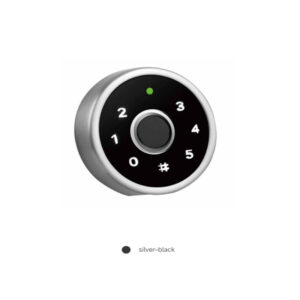
Let’s not sugarcoat it—when it comes to closet locks, settling for just any supplier is like trusting a screen door on a submarine. As a bearing engineer who’s seen his fair share of hardware hits and misses, I’ll walk you through the no-BS guide to sourcing OEM closet locks that won’t leave you crying in your toolbox.
1. Introduction to OEM Closet Locks
Why OEM Matters for Closet Locks
Off-the-shelf closet locks might work for Grandma’s linen cabinet, but if you’re scaling for retail or commercial use, OEM (Original Equipment Manufacturer) is the only way to roll. OEM suppliers build to your exact specs, ensuring consistency, durability, and brand alignment. Plus, you avoid the headache of modifying mass-produced locks that were never meant for your application.
Current Market Trends in Closet Lock Manufacturing
The closet lock game ain’t what it used to be—smart locks, RFID, and even biometric options are shaking up the industry. Demand for sustainable materials is climbing, and suppliers hustling on IoT (Internet of Things) integration are leading the pack. If your supplier hasn’t updated their tech since the Nixon administration, run.
Key Benefits of Working with OEM Suppliers
Beyond custom designs, OEM partnerships mean lower per-unit costs at scale, stricter quality control, and faster turnaround times when tweaks are needed. You’re not just buying a product; you’re buying flexibility—like a gym membership, but one you’ll actually use.
2. Defining Your Closet Lock Requirements
Identifying Functional Needs (Keyed, Smart, RFID, etc.)
First things first: what’s your endgame? Keyed locks are the Ford F-150 of security—reliable but basic. Smart locks? Now we’re talking Tesla. Need keypad, Bluetooth, or fingerprint scanning? Dial in those specs upfront, or you’ll waste more time than a flathead screwdriver in a Phillips job.
Material Preferences: Metal, Plastic, or Composite?
Steel? Zinc alloy? Reinforced polymer? Your material choice affects durability, cost, and even install time. Metal’s king for brute strength, but if weight’s an issue, composites can be just as tough (and won’t rust like your uncle’s pickup).
Security Standards and Certifications Needed
If your closet lock wouldn’t pass ANSI Grade 1 or CE standards, neither should your supplier. Look for UL listings for fire safety and RoHS compliance if eco-friendliness matters. A lock that’s easier to pick than a parking ticket isn’t a lock—it’s a suggestion.
3. Understanding the OEM Manufacturing Process
The Role of OEM Suppliers in Product Development
OEMs aren’t just order-takers—they’re co-creators. A top-tier closet lock supplier will dissect your blueprints, spot potential weak points (like strike plate alignment or cylinder tolerances), and suggest improvements before the first prototype is even cut. It’s like having a mechanic tweak your car’s suspension before the race—not after you’ve wrapped it around a pole.
Common Closet Lock Production Techniques
Modern locks aren’t just stamped out like cookie dough. Die-casting dominates for metal components (think zinc alloy tumblers), while CNC machining handles precision parts like bolt housings. For smart locks, expect PCB assembly lines with more robotics than a Tesla factory. Pro tip: Ask if they use MIM (Metal Injection Molding)—it’s the secret sauce for complex, high-strength components without breaking the bank.
Timeframes: From Prototyping to Mass Production
A rushed closet lock is about as reliable as a $5 padlock. Typical timelines:
- 2-4 weeks for functional prototypes
- 6-8 weeks for tooling adjustments
- 12+ weeks for full production ramp-up If a supplier promises “next-week delivery” on custom designs, they’re either lying or planning to ship you junk.
4. How to Identify Reliable OEM Suppliers
Where to Find OEM Closet Lock Manufacturers
Forget blind Googling—Thomasnet.com and GlobalSources.com are your hunting grounds for vetted suppliers. Trade shows like ISH Frankfurt (for high-end hardware) or Lock Expo China offer face-to-face vetting. Bonus: Suppliers willing to video tour their facilities live usually have nothing to hide—unlike that one guy who emailed you from a Gmail address claiming to be “Yiwu Best Lock Co., Ltd.”
Key Factors in Supplier Shortlisting
- Minimum 5 years in lock manufacturing (rookies need not apply)
- In-house R&D team (not just copy-pasting AliExpress designs)
- Transparent disaster recovery plans (because fires/floods happen) A supplier without these is like a bike lock made of licorice—technically exists, but fails under pressure.
Red Flags When Screening Potential Suppliers
🚩 Vague answers about lead times (“Maybe 60 days? Depends on mood?”) 🚩 No third-party testing reports (their “trust us bro” QA isn’t enough) 🚩 Pressure to pay 100% upfront (legit suppliers use 30/70 terms)
5. Evaluating Supplier Capabilities
Production Capacity and Scalability
Ask: “Can you handle 10K units/month now, and 50K by Q3?” Small workshops choke on volume; mega-factories might ignore your “small” 5,000-unit order. The Goldilocks zone? Midsized suppliers with 200-500 employees—agile enough to pivot, robust enough to deliver.
Quality Control and Testing Procedures
Real QC isn’t just “we check some samples.” Demand details:
- Salt spray testing (for corrosion resistance)
- Cycle testing (50,000+ lock/unlock simulations)
- Axial load tests (because broken closet lock mechanisms are the worst kind of surprise)
Customization and R&D Support
Your perfect closet lock might need unique keyways, proprietary smart protocols, or engraved logos. Top suppliers offer 3D modeling support and DFM (Design for Manufacturing) feedback—basically, they’ll tell you if your brilliant design would cost $500/unit to produce.
6. Cost Factors in OEM Closet Lock Production
Breaking Down Unit Price vs. Bulk Pricing
Economies of scale are real:
- 1,000 units: $8.50/ea
- 10,000 units: $5.20/ea
- 50,000+ units: $3.75/ea (hello, profit margins) But watch for tiered pricing traps—some suppliers hike fees if you mix SKUs.
Hidden Costs (Tooling, Shipping, MOQs)
That “$2.99/unit” quote can balloon fast:
- Molds/dies: $3,000-$15,000 (one-time, but painful)
- Air freight premiums: 4x sea freight (worth it for urgent samples)
- MOQ tricks: “20,000 units” might mean per design, not total
Cost-Saving Strategies for Bulk Purchasing
- Combine shipments with other products (container sharing)
- Pre-book raw materials during metal price dips (zinc is volatile)
- Negotiate payment terms (net 60 > letter of credit for cash flow)
7. Customization Options for Closet Locks
Design Flexibility and Branding Opportunities
Your closet lock isn’t just hardware—it’s brand real estate. OEM suppliers can tweak everything from the finish (matte black, brushed nickel, even custom Pantone colors) to engraved logos right on the faceplate. Want a sleek, minimalist profile for high-end homes or a chunky, industrial look for commercial spaces? A good OEM will make it happen without breaking a sweat—or your budget.
But here’s the kicker: custom keyways. Ever tried to open a lock with the wrong key and felt like a burglar? With OEM, you can create proprietary key patterns, making accidental entry statistically impossible (or at least highly annoying for unauthorized tinkerers).
Advanced Features (Biometric, Bluetooth, etc.)
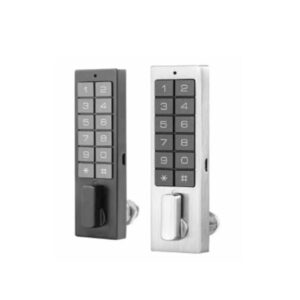
The days of fumbling for a key are over—smart closet locks are the new normal. OEMs now integrate:
- Fingerprint scanners (because who remembers passwords?)
- Bluetooth/Wi-Fi connectivity (lock/unlock via app, no keys required)
- Auto-lock timers (because sometimes, we all forget)
Pro tip: If your supplier doesn’t offer PCB (printed circuit board) assembly in-house, run. You don’t want your high-tech lock delayed because they’re waiting on some third-party electronics shop.
Packaging and Labeling Customization
First impressions matter—even for something as mundane as a lock box. OEM suppliers can design retail-ready blister packs, minimalist eco-friendly sleeves, or even premium wooden cases (because luxury closets demand luxury unboxing). And since retailers love barcode compliance, smart OEMs pre-load SKU labels, QR codes, and multilingual inserts right on the packaging.
Watch out for: Suppliers who treat packaging like an afterthought. If your lock shows up in a flimsy cardboard box that looks like it survived a tornado, your customers won’t trust what’s inside.
8. Compliance and Industry Standards
Certifications (UL, CE, ANSI) for Closet Locks
A lock without certifications is like a parachute that might open. Demand:
- ANSI Grade 1/2/3 ratings (Grade 1 = commercial-grade fortresses)
- CE marking (if you’re selling in Europe)
- UL 437 or BHMA certifications (proof against picking/drilling)
Warning: Some suppliers fake test reports. Always verify with third-party labs (Intertek, SGS, TÜV) before committing.
Environmental and Safety Regulations
If you care about RoHS, REACH, or California Prop 65 compliance, confirm your supplier isn’t using lead-infused alloys or toxic plating processes. Eco-friendly brands should also ask about recyclable materials—like zinc-aluminum alloys instead of chrome-plated brass (saves costs and the planet).
Fun fact: Some European retailers ban cadmium-coated locks—so if your supplier grumbles about “unnecessary regulations,” maybe skip them.
How to Ensure Your Supplier Meets Compliance
- Demand batch testing reports (not just a one-time certificate)
- Require material composition sheets (what’s really inside that lock?)
- Visit the factory (or at least demand live video audits)
- Ask: “What’s your recall process?” (because mistakes happen)
Red flag: If they can’t show factory audit logs or their “certifications” are just blurry JPEGs, that’s your cue to exit stage left.
9. Sample and Prototype Evaluation
Requesting Samples: What to Look For
A prototype is the make-or-break moment. Test:
- Key smoothness (if it grinds like a coffee machine, reject it)
- Latch alignment (misaligned = jamming guaranteed)
- Finish consistency (no peeling, spotting, or uneven coatings)
Trap to avoid: Some suppliers send hand-polished samples but mass-produce junk. Always ask for randomly picked production samples (not the “special” ones they made just for you).
Testing Durability and Security Features
Your closet lock should survive:
- 50,000+ cycles (lock/unlock without failure)
- Salt spray for 96+ hours (no rust bubbles, please)
- Pry attacks (if a screwdriver can pop it open, it’s worthless)
Want ruthless testing? Grab a lockpicking lawyer-style tester. If they can rake it open in 10 seconds, back to the drawing board.
Feedback Loops for Product Improvements
Great OEMs don’t just say “here’s your sample, sign the contract.” They:
- Document your feedback in an engineering report
- Offer design tweaks (thicker casting, reinforced strike plates)
- Provide revised samples within 2-3 weeks
If they treat prototypes like a one-and-done deal, find a supplier who actually cares.
10. Logistics and Supply Chain Considerations
Shipping Methods: Air vs. Sea vs. Land
The “right” shipping method depends on urgency vs. cost:
- Air freight ($8–12/kg, 3–5 days) – Ideal for prototypes and rush orders
- Sea freight ($1.50–3.50/kg, 30–45 days) – Best for bulk shipments (but container delays happen!)
- Land freight (truck/rail) – Only viable for cross-border shipments in regions like EU/NAFTA
Lead Times and Inventory Planning
- Standard production lead time: 8–12 weeks
- Peak season (Q3/Q4): Add 2–3 weeks buffer
- Inventory cushion: Keep 2–3 months’ stock for high-turnover SKUs
Red flag: Suppliers who promise “same-day shipping” for custom locks are either lying or sending pre-made generic stock.
Managing Import Duties and Tariffs
| Country | Typical Duty Rate | Notes |
|---|---|---|
| USA | 3–5% | HTS 8301.40 (locks & hardware) |
| EU | 2.7–4.5% | HS 8301.40 + VAT (varies by country) |
| Canada | 6.5% | Split between GST/HST |
Always confirm HS codes with your supplier—misclassification can trigger 10–20% penalty fees.
11. After-Sales Support and Warranty
What a Good Warranty Covers (And What It Doesn’t)
🔹 Industry standard: 1–2 years for mechanical / 6–12 months for smart locks 🔹 Valid claims: Manufacturing defects (broken springs, faulty PCB) 🔹 Void if: Tampering, improper installation, saltwater corrosion
Key question: “Do you cover return shipping for defective units?” Many don’t.
Handling Returns and Defective Products
- DOA (Dead on Arrival) rate >1% = Reject entire batch
- Return process: Demand pre-approved RMA forms
- Replacement timing: 30 days max (60+ days suggests inventory issues)
Warning: Some suppliers refurbish returns and resell them as new.
Supplier’s Role in Technical Support
A top-tier OEM provides: ✅ Installation videos/docs (not just incomprehensible diagrams) ✅ Dedilingual English-speaking support team (no Google Translate replies) ✅ Spare parts availability (e.g., spare keys, replacement smart modules)
12. Scaling Up: From Small Batches to Mass Production
Transitioning Between Order Tiers
| Order Size | Supplier Flexibility | Risk Level |
|---|---|---|
| 1–500pcs | High (sample pricing) | Low (small loss if flawed) |
| 501–5,000pcs | Medium (tooling tweaks) | Moderate (costly reworks) |
| 5,001–50,000pcs | Low (rigid processes) | High (huge $ exposure) |
Golden rule: Never jump from 500 → 50,000 units without a pilot batch of 2,000–3,000.
Managing Quality at Higher Volumes
- Inline QC checks: Every 100–200 units (not just final inspection)
- AQL Sampling:
- Level II for minor defects (scratches)
- Level S-4 for critical flaws (non-functioning latches)
Demand: Live factory floor videos during production runs.
When to Consider Multiple Suppliers
Diversify if:
- Your primary vendor’s lead time exceeds 60 days regularly
- You need geo-split shipments (e.g., USA + EU warehouses)
- Supplier shows financial instability (delayed payroll, raw material shortages)
But: Managing 2–3 suppliers means 2–3x the QC headaches.
13.Building a Long-Term Partnership With Your OEM
Negotiation Tactics for Better Terms
- Payment terms: Push for 30% deposit, 70% on delivery (vs. 100% upfront)
- Price locks: Get 6–12 month fixed pricing if metal markets are volatile
- Exclusivity deals: Only agree if they’re your sole supplier for 2+ years
Power move: Mention competing quotes—suppliers often sharpen pencils fast.
Collaborating on New Product Development
The best OEM relationships evolve into co-development:
- Joint patents (e.g., a pick-resistant smart lock mechanism)
- Exclusive designs (they can’t sell your custom cylinder to competitors)
- Shared market research (they see industry trends early)
Caution: Always sign NDAs + IP agreements before sharing CAD files.
When It’s Time to Switch Suppliers
Break up if:
- Defect rates creep above 3%
- Communication slows (>24hr response times)
- They outsource production without telling you
Exit gracefully: Keep old tooling/molds accessible during transition.
14. Future Trends in Closet Lock Technology
Smart Lock Innovations (NFC, Voice Control, etc.)
- NFC/Phone-as-Key: Hotels already use this—why not closets?
- Voice activation: “Hey Siri, lock my jewelry cabinet”
- Biometric evolution: Palm vein scanning (harder to spoof than fingerprints)
Sustainable Materials and Manufacturing
- Recycled zinc alloys (same strength, lower carbon footprint)
- Water-based coatings (no VOC emissions)
- Modular designs (replace just the broken part, not the whole lock)
Consumer demand: 64% of buyers pay 5–10% more for eco-friendly hardware.
Predictive Maintenance via IoT Sensors
Future locks might:
- Alert you when batteries are low
- Detect forced entry attempts via vibration sensors
- Self-diagnose worn parts before failing
OEMs leading this charge already offer API access for custom firmware.
15. Case Studies: Successful Closet Lock OEM Partnerships
Case 1: Boutique Home Brand Scales from 500 to 50,000 Units
- Challenge: Needed brass locks with antique finish at affordable cost
- OEM solution: MIM (Metal Injection Molding) reduced unit price by 37% vs. machining
- Result: Sold out first production run in 2 months
Case 2: Smart Lock Startup Cuts Defects from 8% to 0.5%
- Problem: Bluetooth module failures in humid climates
- OEM fix: Upgraded conformal coating + 72-hour humidity testing
- Outcome: Secured Whole Foods as a retail partner
16. Conclusion and Next Steps
Summary of Key Takeaways
OEM closet locks aren’t just hardware—they’re long-term investments. From materials to logistics, every screw and circuit matters. A flimsy supplier now means recalls later, and ain’t nobody got time for that.
How to Start Your OEM Supplier Search
Hit up trade shows (like Canton Fair), Alibaba Verified Suppliers, or industry referrals. Vet them like a blind date—ask for samples, tour factories (virtually counts!), and demand test reports. No surprises, no regrets.
Final Checklist Before Making a Decision
✅ Confirmed MOQs, lead times, and payment terms
✅ Tested prototypes under real-world conditions
✅ Verified certs (UL, CE, ANSI, etc.)
✅ Drafted an ironclad contract (IP protection included)
Good hunting. And remember: in the world of closet locks, you get what you inspect, not what you expect.