 Skip to content

1. Introduction: The Allure of Antique Door Lock in Luxury Branding
Hold onto your monocles, folks—antique door lock isn’t just for dusty castles anymore. Luxury brands are snapping them up faster than a Black Friday sale at Tiffany’s, and for good reason. These bad boys blend old-world charm with modern-day security, making them the ultimate flex for high-end properties.
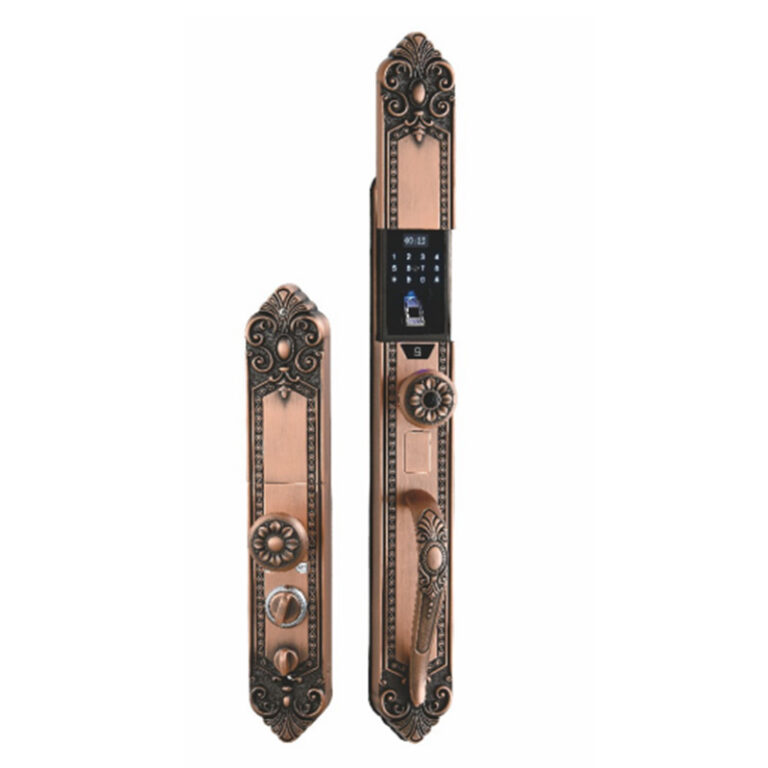
The Growing Demand for Vintage Security Solutions
Let’s face it—modern locks are about as exciting as a spreadsheet. But antique door locks? They’ve got character. From boutique hotels to elite retailers, everyone’s ditching soulless hardware for ornate, conversation-starting security. And procurement teams? They’re eating it up like artisanal avocado toast.
Why Luxury Brands Choose Antique-Inspired Designs
A five-star resort with a generic lock is like a Lamborghini with a plastic key—unforgivable. Antique-inspired locks scream exclusivity, blending historical opulence with the kind of security that’d make a Swiss bank nod in approval.
How Antique Door Lock Elevate Brand Aesthetic and Exclusivity
Want to make guests feel like 18th-century royalty? Slap an antique door lock on your suite. These things don’t just secure doors—they immortalize brand prestige.
2. The History and Evolution of Antique Door Lock
From Medieval Craftsmanship to Modern Replicas
Back in the day, locksmiths were basically wizards—except instead of spells, they used hand-forged iron and a boatload of patience. Today’s manufacturers replicate that craftsmanship without requiring a blacksmith’s biceps.
Key Eras and Their Signature Lock Designs
Gothic, Baroque, Victorian—each era brought its own flair to lock design. Gothic had those dramatic, church-worthy engravings, while Victorian locks went full-on Downton Abbey with intricate scrollwork.
The Symbolism Behind Antique Lock Mechanisms
Locks weren’t just functional; they were symbols. A gargantuan keyhole? That screamed, “I’ve got treasure inside.” Now? It just screams “Instagram-worthy.”
3. Why Antique Door Locks Are the Perfect Fit for Luxury Brands
Combining Heritage with High-End Security
Think of these locks like a tuxedo-wearing bodyguard: classy as heck, but still ready to throw down. Modern internal mechanisms hide behind vintage facades, giving you Fort Knox security without sacrificing aesthetics.
The Psychological Impact of Vintage Design on Customers
Ever walked into a place and immediately thought, Dang, this is fancy? That’s the power of antique hardware. It triggers that “luxury dopamine” faster than you can say “hand-carved mahogany.”
Case Studies: Top Brands Using Antique-Inspired Locks
The Ritz-Carlton? Check. Louis Vuitton’s flagship stores? Double-check. These brands know that details matter—right down to the click of an antique lock.
4. Materials and Craftsmanship in Antique Door Lock Production
Premium Metals Used in High-End Antique Locks
These aren’t your grandpa’s rusty padlocks – we’re talking solid brass that gleams like newly minted pennies, wrought iron that could survive a zombie apocalypse, and occasionally even silver or gold plating for those who want to flex. The metal selection impacts not just durability but also patina development – because nothing says “authentic antique” like that perfect aged glow.
The Art of Hand-Forged vs. Machine-Precision Locks
Here’s where the rubber meets the road: hand-forged locks have that slight imperfection that makes them genuine, while CNC-machined replicas offer consistency that would make Henry Ford proud. Ironically, making something look imperfect takes perfect craftsmanship – it’s like those designer jeans with pre-made holes that cost more than intact ones.
How Durability Meets Aesthetic in Custom Designs
These locks have to walk a tightrope – they need to withstand modern security threats while maintaining their vintage charm. Think AR-15 reliability dressed in Victorian era cosplay. The best custom jobs use modern metallurgy tricks like case-hardened cores with historically accurate exteriors.
5. Security Features of Antique-Style Door Locks
Reinforced Mechanisms Behind Vintage Designs
Don’t let the old-timey look fool you – today’s antique-style locks pack more security tech than a Bond gadget. We’re talking anti-drill plates, bump-proof cylinders, and titanium reinforcement in all the right places, all hidden behind ornate facades that would make a 19th century locksmith cry tears of joy.
Modern Security Upgrades Disguised as Antiques
The magic happens in the guts – modern precision-engineered tumblers and sliders dressed up with brass filigree and hand-engraved detailing. It’s like taking a Tesla powertrain and putting it in a horse-drawn carriage (but actually practical). Even the keys get high-tech treatments with magnetic inserts and laser-cut patterns.
Testing Standards for High-End Lock Durability
These babies undergo testing that would make Navy SEAL training look easy – salt spray chambers, brute force attacks, lockpicking challenges from world-class security experts. One manufacturer told me their testing protocol includes everything short of actually shooting the lock with a cannon (though I wouldn’t put it past them).
6. Customization Options for Exclusive Luxury Projects
Engraving and Finishes for Brand Identity
From subtle monograms to full-blown coat of arms reproductions, the engraving options are limited only by imagination (and maybe copyright law). Finishes range from “fresh from the foundry” bright to “been in a castle dungeon for 300 years” dark – with every oxidation level in between.
Bespoke Key Designs for VIP Clients
Because nothing says “you’re special” like a key that could double as jewelry. We’ve seen everything from miniature sculpture keys to ones with hidden compartments (because even billionaires need a place to store their spare bitcoin). Some even incorporate gemstones – because why not?
Matching Hardware Collections for Cohesive Branding
It’s not just about the lock – it’s about the whole package. Think door handles that complement the lock’s design, hinges that match the aesthetic, even custom knockers if you’re going full medieval. When every detail sings the same design hymn, that’s when magic happens.
7. The Role of OEM/ODM in Antique Door Lock Manufacturing
Tailoring Designs to Align with Brand Visions
When luxury brands commission antique-style locks, they’re not just buying hardware – they’re buying into bespoke storytelling. Skilled OEM teams act like lock whisperers, translating brand aesthetics into functional security pieces that look centuries old but install like modern equipment. It’s part industrial design, part historical recreation, with a dash of wizardry thrown in for good measure.
Scalability: From Boutique Orders to Bulk Procurement
Here’s the kicker – these manufacturers can go from crafting individual heirloom pieces for private estates to fulfilling 500-unit orders for luxury hotel chains without breaking stride. The secret? Modular design principles that maintain uniqueness through customizable elements while keeping core components standardized. Think of it like a fine dining kitchen prepping both a single tasting menu and a wedding banquet simultaneously.
Quality Control for High-Volume Luxury Partnerships
Every lock undergoes inspection processes that would make a Swiss watchmaker nod in approval – because when you’re supplying a five-star resort chain, that 500th lock needs to feel as precise as the first. Digital imaging compares each piece to golden samples, while torque testers verify smooth operation after thousands of simulated openings. It’s quality assurance meets medieval craftsmanship – with spreadsheets.
8. Trends in Antique Door Lock Applications
Luxury Hotels Embracing Themed Lock Designs
The newest breed of boutique hotels are taking antique locks to thrilling new heights – nautical-themed mechanisms for coastal resorts, Art Deco inspired pieces for urban properties, even fantasy castle designs for those Disney-adjacent destinations. The front desk might use digital check-ins, but guests still get that visceral thrill of turning an actual key in an actual lock – it’s vintage satisfaction in our increasingly digital world.
High-End Retail Stores Using Locks as Décor
Savvy retailers have flipped the script – instead of hiding their security hardware, they’re making it part of the visual merchandising. Picture a jewelry boutique where the display cases feature intricately designed antique padlocks turned into design features, or a fashion house where the fitting room doors boast museum-worthy locking mechanisms. It’s security as show business.
Private Estates and Their Demand for Unique Security
For ultra-high-net-worth individuals, standard security solutions simply won’t cut it. We’re seeing increased demand for period-accurate locking systems that blend seamlessly with historic home restorations or complement architecturally significant new builds these days. The best installations are invisible until needed – looking like they’ve always belonged there while offering cutting-edge protection.
9. Sourcing Antique Locks: What Procurement Teams Should Know
Identifying Authentic vs. Replica Antique Locks
The antiques market is rife with “distressed” new locks trying to pass as Victorian originals. Telltale signs include suspiciously uniform patina and modern machining marks hiding under faux aging. As one grizzled warehouse manager told me, “Real antiques have wonky imperfections – like your aunt’s Thanksgiving china.”
Supplier Vetting for Premium Craftsmanship
The difference between a quality supplier and a pretender shows in their samples. Top manufacturers will happily provide cross-section demonstrations showing modern reinforcement inside vintage shells. If a supplier won’t show their guts, walk away – preferably while dramatically turning a skeleton key in an ornate lock.
Lead Times and MOQs for Custom Orders
Want a historically accurate replica of Marie Antoinette’s jewelry box lock? That’ll be 26 weeks and a minimum order that could secure a small village. Understanding these timelines is crucial – these aren’t Amazon Prime items, unless you want a “historic-looking” lock that feels like a theater prop.
10. Smart-Tech Meets Antique Aesthetics
Invisible Modern Upgrades in Classic Designs
The best antique-style locks now hide tech more sophisticated than your average spy gadget. Think Bluetooth-enabled deadbolts concealed behind hand-engraved rosettes, or NFC chips embedded in skeleton keys for contactless entry. It’s like giving a suit of armor Wi-Fi—functionally futuristic, but still looking like it belongs in a king’s armory.
Battery-Powered Locks with Vintage Appeal
Yes, even antique replicas need juice—but nobody wants a glowing LED ruining their medieval tavern vibe. Top-tier solutions use ultra-slim battery compartments disguised as decorative rivets, with power efficiencies so good you’ll change the cell roughly as often as you replace your smoke alarms. (Read: Never, until the low-battery chirp drives you mad.)
App Integration Without Sacrificing Form
Because even historic reenactors need remote access. Imagine granting entry to your butler (or Airbnb guest) via an app styled like an old parchment scroll. Modern antique locks offer this absurd yet delightful juxtaposition—where “unlocking your 18th-century château door with your phone” feels less anachronistic and more like wizardry.
11. Sustainability in Antique Door Lock Manufacturing
Ethical Metal Sourcing for Discerning Clients
Luxury brands today don’t just want heirloom-quality—they want ethically mined brass and conflict-free iron. Forward-thinking foundries now provide full material traceability, proving their metals didn’t involve dragon labor or pillaged villages (unless it’s a Viking-themed project—those clients enjoy a little pillaging lore).
Longevity as the Ultimate Green Feature
These locks are built to outlast the buildings they’re installed on, with 50-year corrosion warranties that make them the tortoises of the hardware world. Unlike cheap modern locks that degrade like fast fashion, a well-made antique replica might become a real antique someday—just in time for your great-grandkids to sell it at a markup.
Eco-Friendly Aging Techniques
The “distressed” finish no longer involves toxic acids or questionable workshop practices. Now, we’ve got electrochemical patination and nano-coatings that accelerate aging without the environmental hangover. Think of it as botox for metal—controlled weathering, minus the guilt.
12. Future Innovations in Heritage Security
AI-Assisted Custom Design Tools
Soon, you’ll feed an AI a photo of your Tudor mansion’s door, and it’ll generate a lock design that matches and suggests period-accurate improvements (e.g., “Consider adding a lion’s-head escutcheon—historically appropriate and 23% more intimidating to intruders”).
Self-Healing Metallic Alloys
Researchers are tinkering with metals that microscopically repair scratches, like Wolverine’s claws. For antique locks, this could mean preserving that perfect aged look without fretting over every scuff from your overly enthusiastic blacksmith cosplayer.
Quantum Encryption… In a Skeleton Key?
A pipe dream today, but imagine a 200-year-old key design retrofitted with uncrackable quantum signatures. The ultimate flex: a key that’s both a museum piece and a cybersecurity fortress. Hackers hate this one weird trick from the 1700s!
13. The Psychology of Antique Locks: Why We’re Obsessed
The Haptic Allure of Mechanical Security
There’s something viscerally satisfying about the clunk of a brass deadbolt engaging—an organic confirmation of safety that no digital beep can replicate. Studies in environmental psychology suggest that tactile mechanisms reduce guest anxiety in luxury hotels; unlike swipe cards (which feel disposable), a weighty skeleton key conveys permanence. As one boutique hotelier put it, “Guests don’t Instagram their key fobs. They do, however, pose with an antique key like it’s a holy relic.”
The “Secret Door” Effect on Consumer Behavior
Luxury retail spaces have weaponized antique locks as psychological triggers. A drawer secured with an ornate clasp subconsciously signals exclusivity—“What’s inside must be valuable.” Hermès famously uses hand-fitted locking display cases to heighten anticipation during VIP appointments. Meanwhile, high-end salons install antique locking medicine cabinets behind mirrors because nothing makes a $500 face cream feel more medicinal (and thus, legitimately potent) than a 19th-century apothecary lock.
Nostalgia as a Status Symbol
In an age of disposable smart gadgets, mechanical locks represent the ultimate flex: “I can afford things that last generations.” It’s the same reason vinyl records outsold CDs in 2020—people crave tangible heritage. The most elite private clubs now issue brass membership tokens (double-duty keys) instead of plastic cards. Why? Because patina equals pedigree.
14. The Dark Side of Antique Lock Obsession
When ‘Authentic’ Becomes a Liability
Original 18th-century locks sound romantic until you realize they predate standardized key profiles—meaning every locksmith who worked on your historic property might have improvised their own modifications. One Parisian hotel spent €60,000 replacing “authentic” 1700s mechanisms after realizing no two keys worked reliably. Today, they use precision-made replicas that look identical but discreetly incorporate master-key compatibility.
The Criminal Appeal of Vintage Weaknesses
Here’s an uncomfortable truth: many antique lock designs are laughably easy to pick. YouTube tutorials on “how to open an Edwardian sash lock with a butter knife” get millions of views. Savvy manufacturers now embed modern anti-pick pins inside vintage-style levers. As one security consultant dryly noted, “The only thing worse than a thief is a thief with a hobbyist knowledge of lock-smithing history.”
The Maintenance Black Hole
Polished brass tarnishes. Iron corrodes. And hand-cut keys wear out—fast. The Ritz-Carlton’s engineering team once calculated that maintaining their 1920s door hardware costs 17% more annually than switching to modern systems, but the branding upside justified it. Still, if your facilities crew isn’t trained in pre-war metallurgy, you’ll either need a dedicated conservator… or a very patient janitor with a rotary buffer.
15. Curating the Ultimate Antique Lock Collection
The ‘Type Specimen’ Approach for Luxury Brands
Think of it like building a watch collection: you need representative examples from key eras. A proper heritage security portfolio should include:
- A Gothic iron lock (for dramatic entryways)
- A Regency-era Bramah barrel (the first unpickable lock, circa 1784)
- An Art Nouveau escutcheon (floral motifs = instant romance)
- A Mid-Century Modern lever (for that Mad Men boardroom vibe)
Pro tip: The ultra-wealthy are now collecting locks formerly owned by celebrities (Churchill’s desk lock) or fictional characters (Dracula-style coffin locks). Yes, really.
Museum-Grade Display Tactics
Don’t just stash spare keys in a drawer—frame them like art. The Connaught Hotel in London displays its antique key collection in backlit shadow boxes, with each tagged like a museum artifact (“Circa 1897, used for the original smoking lounge”). Guests routinely ask to buy them. (The answer is always no, but it’s flattering.)
16. Customer Experience and Antique Door Locks
How Vintage Locks Enhance Guest and Client Perceptions
That moment when a guest first turns an antique-style key in your establishment’s door creates a psychological imprint more powerful than any mission statement. The solid weight, the precise mechanism, the audible confirmation of quality – these sensory details communicate prestige before they’ve even seen the room. It’s the hospitality equivalent of a firm handshake from someone wearing an obviously expensive watch.
Collectible Key Designs as Brand Memorabilia
Forward-thinking luxury providers have turned their antique-style keys into coveted souvenirs. Some high-end properties now offer “key upgrades” where guests can take home artisanal reproductions of their room keys – complete with custom engraving options. We’ve even seen collectors markets emerge for particularly distinctive designs from famous hotels. Not bad for what’s essentially a branded can opener for your door.
Feedback from Luxury Consumers on Lock Aesthetics
During client interviews, certain phrases recur like mantras: “It just feels more substantial,” “There’s a ceremony to it,” and our personal favorite, “It reminded me of my grandparents’ lakehouse – the good version.” The psychological impact transcends generations – millennials raised on digital entries get just as giddy about quality mechanical locks as their Boomer counterparts. Turns out mechanical satisfaction is eternally viral.
17. Conclusion: The Enduring Appeal of Antique Door Locks
Why They Remain a Staple in Luxury Branding
In an era of facial recognition and smartphone-activated entries, the staying power of antique-style mechanical locks seems paradoxical – until you consider the primal satisfaction of physical security. These mechanisms don’t just secure doors; they secure memories and emotions tied to premium experiences. That’s something no digital solution can truly replicate – the irreplaceable heft of history in your hands.
The Future Intersection of Aesthetics and Security
As we move forward, expect to see hybrid solutions that marry antique aesthetics with concealed smart technology – think Tudor rose designs housing RFID sensors, or Victorian escutcheons hiding fingerprint readers. The magic will be in maintaining that tangible, mechanical interaction while integrating invisible digital layers. The best future designs won’t feel like compromises between old and new, but rather like the two were always meant to work together.
How Procurement Teams Can Stay Ahead in the Market
For buyers, the lesson is clear: treat security hardware as emotional architecture rather than utilitarian necessity. Partner with manufacturers who understand both metallurgy and psychology. And most importantly – never underestimate the power of a perfectly weighted deadbolt to elevate an entire brand experience. After all, in luxury as in security, the details make all the difference between adequate and extraordinary. Now if you’ll excuse me, I need to go polish my collection of 18th century lock patents – for research purposes, of course.