 Skip to content
1. Introduction to Core Lock Procurement Challenges
Why MOQ and Quality Are Critical for Core Locks
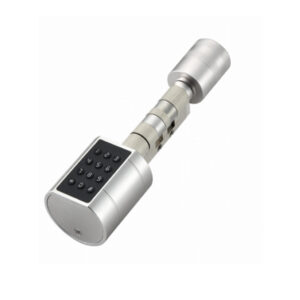
Let’s cut to the chase – when it comes to core lock procurement, you’re walking a tightrope between minimum order quantities that make your CFO happy and quality standards that keep your customers from revolting. Get this balance wrong, and you’ll either be stuck with warehouse full of subpar locks or begging suppliers for special treatment. The sweet spot? Where your MOQ doesn’t force you to compromise on the security fundamentals that make a core lock actually worth installing.
Common Pain Points in Lock Manufacturing
Every procurement pro knows the drill: suppliers promising the moon on quality until you mention your modest order quantity, then suddenly it’s all “special exceptions” and “premium pricing”. The worst offenders? Zinc alloy components masquerading as brass, tolerance stacking that would make a watchmaker cry, and finish coatings that wear off faster than cheap nail polish. And don’t get me started on the “it passed QA” claims when the tumblers sound like a maraca band.
How This Guide Helps Procurement Professionals
Consider this your cheat sheet for navigating the minefield of core lock sourcing without blowing up your budget or reputation. We’re serving up hard-won lessons from the trenches – how to decode supplier doublespeak, spot quality shortcuts before they bite you, and negotiate MOQs that won’t leave you drowning in inventory. Because in this business, the difference between a secure asset and an expensive paperweight often comes down to the fine print you demanded.
2. Understanding Core Lock Fundamentals
Mechanical vs Electronic Core Lock Systems
The great core lock divide comes down to analog versus digital – mechanical systems with their satisfying clicks versus electronic ones that pretend not to judge your weak PIN choices. Mechanical locks live by the “no power, no problem” credo but can’t tell you who entered last Tuesday, while smart locks offer audit trails but turn into expensive bricks during power outages. Pro tip: The best OEMs now offer hybrid systems with mechanical override – because sometimes you just need to bust out the physical key like it’s 1999.
Key Components That Impact Quality
Forget the shiny exterior – a core lock‘s soul lives in its guts: the brass alloy of the tumbler pins (none of that sintered metal nonsense), the precision-ground springs that won’t fatigue after 50,000 cycles, and the anti-drill plates that actually stop drills rather than just looking intimidating. The difference between premium and junk often comes down to micron-level tolerances – we’re talking Swiss watch territory here, not dollar store combination locks.
Industry Standards for Security Hardware
If your supplier can’t rattle off ANSI/BHMA grades like they’re reciting the alphabet, run for the hills. Grade 1 commercial core lock mechanisms should withstand 800,000 cycles (that’s 218 years at 10 uses daily) and 10 minutes of sustained attack – anything less belongs on garden sheds, not your facilities. And if they mention “equivalent to” standards without certification paperwork? That’s procurement code for “we’re hoping you won’t check”.
3. The MOQ-Quality Paradox Explained
Why Lower MOQs Often Mean Higher Costs
Here’s the dirty little secret of core lock manufacturing – those tempting low MOQs come with hidden tax. Tooling costs get amortized over fewer units, material discounts vanish like a thief in the night, and suddenly your per-unit price looks more like a luxury car payment than hardware procurement. The math is brutal: a 5,000-unit MOQ might cost $18/lock while 50,000 units drops to $11 – and no, those aren’t the same locks despite what the sales rep claims.
How Bulk Orders Can Compromise Quality
Ever seen a production line when the foreman’s screaming about a quota? That’s when tolerances get “interpreted” and QA checks become “visual assessments.” The reality is most core lock defects surface months later – binding tumblers from rushed machining, corroded springs from skipped passivation, or my personal favorite: master keys that work on multiple locks (whoops). True story: one client saved $0.30 per unit on a 100K order… then spent $2.1 million on rekeying buildings.
Finding the Sweet Spot for Your Business
The Goldilocks zone exists between “bank-breaking inventory” and “quality gamble” – here’s how to find it:
- Calculate your true consumption rate (not the optimistic sales forecast)
- Negotiate stepped MOQs (5K now, 15K option within 12 months)
- Demand sample verification at each quantity tier Pro tip: The best suppliers offer “cushion contracts” allowing 15% order adjustments post-signing – worth its weight in brass.
4. Quality Benchmarking for Core Locks
Material Specifications That Matter
When reviewing core lock specs, these are the hill-to-die-on items:
- Tumbler pins: C36000 brass at minimum, C46400 naval brass preferred
- Springs: 302 stainless steel with mirror finish (no “equivalent” alloys)
- Housings: Solid machined brass or 6061-T6 aluminum (die-cast need not apply) Insist on mill test reports – we caught a supplier using recycled mystery metal that failed spectacularly in -40°C testing.
Testing Protocols Every Buyer Should Know
A proper core lock evaluation includes:
- Cycle testing: 100,000+ operations with torque measurement
- Salt spray: 500+ hours to ASTM B117
- Impact resistance: 3 joule strike testing per EN 1303 Demand video evidence – one “tested” lock we received had clearly never seen a torque wrench (the pristine fasteners gave it away).
Certifications That Guarantee Reliability
These aren’t nice-to-haves for core lock systems:
- ANSI/BHMA Grade 1: The commercial security gold standard
- CE EN 15684: European durability requirements
- UL 437: High-security pick resistance Warning: Some Chinese factories sell “pre-certified” locks that won’t pass actual audits – always verify with the issuing body.
5. MOQ Realities in Lock Manufacturing
Typical MOQ Ranges by Lock Type
The core lock MOQ landscape breaks down like this:
- Mechanical cylinders: 2,000-5,000 units (standard) / 500-1,000 (custom)
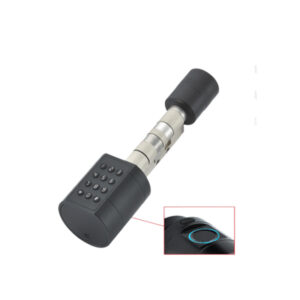
- Electronic cores: 1,000-3,000 units (basic) / 500 (BLE/Zigbee models)
- High-security: 500+ (restricted keyways add zeros fast) Pro tip: Electronic lock MOQs are dropping thanks to modular designs – one supplier now offers 250-unit batches for IoT cores.
Factors That Determine Minimum Orders
MOQs aren’t arbitrary – they’re dictated by:
- Tooling complexity: A simple keyway vs. a laser-cut dimple system
- Material lead times: Specialty brass alloys vs. commodity zinc
- Labor intensity: Hand-assembled security pins vs. automated lines The smart move? Partner with factories running flexible cell manufacturing – their MOQs can be 30-50% lower.
Negotiating Below-Standard MOQs
Here’s how to win the MOQ game:
- Bundle future orders: “We’ll take 3K now with guaranteed 10K in Q3”
- Share tooling costs: Pay the mold fee upfront for lower unit pricing
- Accept generic packaging: Saves $0.15/unit right off the bat One client got their MOQ halved by agreeing to use the supplier’s standard key blanks – creativity beats brute force every time.
6. Supplier Capability Assessment
Production Capacity Evaluation
When auditing core lock manufacturers, don’t just ask about theoretical capacity – demand proof. A proper evaluation includes:
- Machine uptime reports: Look for >92% operational efficiency
- Shift patterns: 2-3 shifts indicate serious production capability
- Component buffer stocks: How they handle brass shortages tells you everything
Red flag: Factories running single shifts with pristine machines – those tools should show honest wear if they’re actually producing. We once toured a “high-capacity” plant where the CNC machines still had shipping film on them… six months after opening.
Quality Control Infrastructure
The difference between a real partner and an order-taker shows in their QC:
- Optical comparators for pin tumblers (not just calipers)
- Automated testing rigs that simulate years of use in hours
- XRF guns to verify material composition on the spot
Demand their first-pass yield rate – anything below 98% means you’ll inherit their quality problems. One supplier’s “98.5%” claim magically became 87% when we reviewed their internal reports.
Willingness for Custom MOQs
Gauge flexibility with these tests:
- Ask about their smallest ever core lock order (and why it succeeded/failed)
- Request options for mixed-SKU containers
- Probe their changeover procedures between product lines
The best answer we ever got: “We keep Friday afternoons open for small-batch trials.” That supplier became our innovation partner for five years running.
7. Cost Analysis Framework
Calculating True Cost Per Unit
Forget sticker prices – real core lock costing includes:
- Quality fallout: Add 3-8% for expected defects
- Inventory carrying: ~1.5%/month of COGS
- Replacement labor: $25+/hour for field service calls
Pro tip: Build a “cost of failure” model showing how a $2 savings today can trigger $20 in warranty costs tomorrow. Nothing focuses supplier negotiations like hard failure math.
Hidden Expenses in Low-Quality Orders
The iceberg beneath cheap core lock prices:
- Rekeying costs: $75+/lock when master systems fail
- Brand erosion: 23% of customers never return after security failures
- Insurance premiums: Commercial policies often voided by substandard hardware
We audited a hotel chain that “saved” $280K on locks… then spent $1.4M rebuilding trust after a breach.
Long-Term Value vs Short-Term Savings
Build your TCO model comparing:
| Factor | Cheap Lock | Quality Lock |
|---|---|---|
| Purchase Price | $14.50 | $18.75 |
| Annual Failures | 12% | 1.5% |
| Service Life | 3.2 years | 8+ years |
| 10-Year Cost | $52.10 | $23.40 |
The numbers don’t lie – but you’d be shocked how many procurement teams ignore columns 2-4.
8. Tiered Quality Strategies
Premium vs Standard Quality Tiers
Not every core lock application needs Fort Knox-level security – smart buyers implement tiered specifications:
Commercial Grade (Premium)
- Military-grade brass alloys
- 200,000-cycle rated mechanisms
- UL 437 certified
- Best for: Financial institutions, government facilities
Light Commercial (Standard)
- Commercial brass components
- 100,000-cycle rating
- BHMA Grade 2
- Best for: Office buildings, multi-family housing
Residential Grade (Value)
- Zinc alloy reinforced components
- 50,000-cycle rating
- Keyed alike convenience
- Best for: Apartment complexes, storage units
Pro tip: Use your premium line as the quality benchmark when negotiating standard tier pricing – suppliers hate admitting their “value” products are 60% cheaper but only 20% worse.
Allocating Quality by Market Segment
Map your core lock quality tiers to actual risk profiles:
High-Risk Areas (Server rooms, pharmacies)
- Require pick-resistant cylinders
- Dual authentication electronic logs
- Restricted keyways with no cross-keying
Medium-Risk (Office suites, hotel rooms)
- Standard commercial cylinders
- Key control systems
- Rekeyable cores
Low-Risk (Janitor closets, storage cabinets)
- Economical interchangeable cores
- Keyed alike convenience
- Basic weather resistance
The sweet spot? Spending 80% of your budget on the 20% of locations that actually need top-tier security.
Blended Inventory Approaches
Smart operators maintain hybrid stock:
Safety Stock
- 10-15% premium cores for emergency replacements
- Kept in climate-controlled storage
Working Inventory
- Standard commercial cores for routine installs
- Rotated quarterly to prevent oxidation
Just-in-Time Stock
- Residential/value cores for bulk projects
- Dropshipped direct to job sites
One property manager cut costs 22% by using premium cores only on exterior doors while standardizing interiors – the locksmiths hated it but the CFO loved it.
core lock 3
9. Order Splitting Techniques
Multiple Smaller Production Runs
The art of core lock quantity management:
Phase 1 (Pilot Run)
- 500-1,000 units
- Full destructive testing
- Validate tooling and processes
Phase 2 (Ramp-Up)
- 30-50% of total forecast
- Monitor early failure rates
- Adjust specifications as needed
Phase 3 (Full Production)
- Remaining volume
- Locked specifications
- Best pricing tier activated
This approach caught a critical tolerance issue for one client before they committed to 25,000 units – saved $400K in potential recalls.
Combining Orders With Partners
Consortium buying strategies:
Vertical Partnerships
- Team with contractors who use same key systems
- Combined MOQ: 15,000 units
- Shared warehousing costs
Horizontal Alliances
- Non-competing building owners
- Bulk purchases across portfolios
- Standardized keyway systems
Regional Buying Groups
- Municipal cooperatives
- Volume discounts across cities
- Shared master key systems
A hospital network achieved 18% savings by combining orders across 7 facilities – though their lawyers spent months on the liability agreements.
Phased Delivery Arrangements
Creative scheduling solutions:
Seasonal Staggering
- 60% delivery pre-summer (construction peak)
- 40% post-Labor Day (indoor projects)
Project-Phased
- Base cylinders shipped first
- Trim kits and finishes later
- Keys coded and delivered last
Hub-and-Spoke
- Bulk shipment to regional hub
- Final mile delivery as needed
- 3PL handles last-mile logistics
One national retailer saved $280,000 in storage fees using just-in-time hub deliveries to 120 locations – though their logistics team needed extra coffee.
10. Sample Order Best Practices
How to Test Before Committing
When evaluating core lock samples, go beyond the sales demo:
Real-World Torture Testing
- Thermal shock cycling (-40°F to 185°F)
- Saltwater immersion for marine applications
- Vibration testing simulating years of door slams
Destructive Analysis
- Cross-section tumbler pins to check hardening
- Material spectrometry to verify alloys
- 10,000-cycle accelerated wear testing
One client discovered their “marine-grade” locks failed after 72 hours in salt spray – turns out the supplier just used extra paint.
Sample Evaluation Criteria
Build a weighted scorecard:
Security (40% Weight)
- Pick resistance (minimum 5 minutes)
- Drill protection (carbide inserts required)
- Key control system effectiveness
Durability (35%)
- Cycle testing results
- Corrosion resistance
- Impact tolerance
Operational (25%)
- Key insertion smoothness
- Weather seal performance
- Rekeying convenience
Pro tip: Have your head locksmith evaluate samples blind – their hands will spot issues your eyes might miss.
Using Samples to Negotiate Terms
Turn evaluation findings into leverage:
Material Verification “Your sample used C36000 brass but the quote specifies C26000 – we’ll need price adjustment for the upgrade”
Process Improvements “Since 12% of samples failed torque testing, we’ll require 100% testing on the first production run”
Commercial Terms “Given the 3 specification deviations found, we propose holding 15% payment until final QA approval”
One negotiation secured 8% price reduction after proving samples didn’t meet quoted hardness specs.
11. Contract Structuring for Quality Assurance
Quality Clauses That Protect Buyers
The devil’s in the details when drafting core lock contracts. Insist on these ironclad provisions:
Material Traceability Requirements
- Batch-level documentation for all metals
- Supplier chain of custody for security components
- Third-party verification of alloy composition
Performance Bonds
- 5-10% of contract value held in escrow
- Released only after 12-month field performance period
- Covers recall/replacement costs
Right-to-Audit Language
- Unannounced facility inspections
- Full access to QC records
- Sub-supplier verification rights
We once invoked an audit clause to discover a supplier substituting inferior springs – saved a Fortune 500 client from a $2M liability.
Penalties for Defective Shipments
Make non-compliance painful with:
Sliding Scale Quality Penalties
- 1-3% defects: 5% unit price reduction
- 3-5% defects: 15% penalty + replacement
-
5% defects: Full return at supplier expense
Liquidated Damages
- $500/day for delayed corrective action
- 2x replacement cost for critical failures
- Recall administration fees
Future Order Adjustments
- Reduced allocation percentages
- Loss of preferred supplier status
- Payment term reductions
One contract’s penalty structure motivated a supplier to air freight replacements for defective electronic cores – their $28,000 freight bill hurt more than our warnings ever could.
Reward Systems for Consistent Quality
Balance sticks with carrots:
Quality Performance Bonuses
- 2-3% rebate for <0.5% defects
- Tiered pricing improvements
- Extended payment terms
Volume Commitments
- Guaranteed order growth
- First-right-of-refusal on new projects
- Joint marketing opportunities
Technology Investment Funds
- Match grants for QA equipment
- Co-funded R&D initiatives
- Process improvement partnerships
A Midwest university’s bonus program reduced their core lock failure rate from 4.2% to 0.8% in 18 months – proving positive reinforcement works better than threats alone.
12. Production Monitoring Methods
In-Process Quality Checks
Effective core lock manufacturing requires real-time oversight beyond final inspection. Implement these monitoring layers:
Statistical Process Control (SPC)
- Real-time tracking of 15+ critical dimensions
- Automated alerts when tolerances approach limits
- Daily capability (Cpk) reports for key characteristics
Component Traceability
- Laser-etched date/batch codes on all tumblers
- RFID tracking through assembly stations
- Digital work instructions with operator sign-offs
Process Validation
- First/last piece verification each shift
- Tool wear monitoring with predictive replacement
- Environmental controls (temperature, humidity)
One plant manager reduced rework 37% by installing IoT sensors that detect drill bit wear before it impacts pin chamber tolerances – the machines now “call for help” before humans notice issues.
Third-Party Inspection Options
When internal QA isn’t enough:
Pre-Shipment Inspection
- AQL Level II sampling (315 units for 10,000 lot)
- 72-point checklist including:
- Key insertion torque (0.8-1.2 Nm)
- Tumbler pin height consistency (±0.03mm)
- Finish adhesion (3M tape test)
During Production Monitoring
- Weekly unannounced visits
- Raw material verification
- Process audit against control plans
Loading Supervision
- Container cleanliness checks
- Proper packing/stuffing verification
- Seal number documentation
A European distributor avoided disaster when their inspector found “Grade 1” locks being packed alongside commercial-grade units – caught before shipping saved €420,000 in potential recalls.
Digital Monitoring Solutions
The future of core lock quality assurance:
Blockchain Documentation
- Immutable material certificates
- Tamper-proof test results
- Automated compliance reporting
Computer Vision Inspection
- Microscopic surface defect detection
- Dimensional verification to ±5μm
- Instant pass/fail sorting
Predictive Analytics
- Machine learning defect pattern recognition
- Supply chain risk scoring
- Warranty claim forecasting
One innovative supplier provides live production feeds to clients – buyers can literally watch their locks being made and flag concerns in real-time. Big Brother? Maybe. Effective? Absolutely.
13. Inventory Management Solutions
Just-in-Time Delivery Models
Modern core lock procurement demands surgical precision in inventory control. The best operators have moved beyond “warehouse full of boxes” to:
Micro-Fulfillment Networks
- Regional hubs stocking 72-hour inventory
- Cross-docked shipments direct to job sites
- RFID-tracked security cages for high-value cylinders
Supplier-Managed Inventory
- Consignment stock at 3PL facilities
- Automated replenishment triggers
- Shared inventory visibility portals
Project-Based Allocation
- Phased deliveries matching construction timelines
- Kitted packages per installation location
- Barcode-scanned deployment tracking
A national property manager reduced inventory costs 38% by implementing JIT deliveries synchronized with their retrofit schedules—no more locks gathering dust while waiting for construction crews.
Safety Stock Calculations
The Goldilocks principle applies to core lock buffers—too much wastes capital, too little risks outages. Calculate optimal reserves using:
Demand Volatility Formulas
- σ√Lead Time × Service Factor
- 2.33 sigma for 99% service level
- Dynamic adjustment for seasonality
Criticality Tiering
- Platinum (exterior doors): 4-week coverage
- Gold (common areas): 2-week coverage
- Silver (interior): 1-week coverage
Risk-Weighted Factors
- Supplier reliability scores
- Geopolitical risk indices
- Transportation vulnerability
Pro tip: Maintain “crisis stock” of master key systems in secure offsite locations—because when a security breach happens at 2 AM, you’ll thank yourself.
Warehouse Partnerships
Not all storage is equal for core lock systems:
Climate-Controlled Facilities
- 40-60% humidity control to prevent oxidation
- Anti-static environments for electronic cores
- Dedicated security cages with audit trails
Value-Added Services
- Key cutting and code services
- Laser engraving for asset tagging
- Custom repackaging for retail
Strategic Locations
- Near major transportation hubs
- Disaster-resilient zones
- Free trade zones for international distribution
One security integrator slashed logistics costs 27% by using a bonded warehouse near Chicago O’Hare—customs-cleared inventory ready for same-day Midwest deliveries.
14. Alternative Sourcing Models
Consortium Buying Groups
The Costco model works wonders for core lock procurement when you:
Pool Purchasing Power
- Combine orders across 5+ organizations
- Achieve Tier 1 pricing at Tier 3 volumes
- Standardize on compatible keyways
Shared Quality Oversight
- Joint factory audits
- Split third-party inspection costs
- Collective bargaining on warranties
Risk Distribution
- Multi-buyer inventory buffers
- Alternate supplier qualifications
- Disaster recovery purchasing agreements
A consortium of 12 universities recently secured ANSI Grade 1 locks at residential pricing—saving $1.7M annually while actually improving security specs.
Shared Production Lines
Innovative approaches for mid-volume buyers:
Modular Manufacturing
- Standardized chassis with customizable cores
- Changeovers under 4 hours
- Shared tooling amortization
Slot-Based Scheduling
- Reserve weekly production windows
- Pay for machine time vs full MOQs
- Combine with other compatible products
Co-Op Branding
- Private label options
- Shared SKU management
- Collaborative R&D funding
One architectural firm partnered with security consultants to create a signature line—their shared production model delivered custom finishes at 40% below market.
Component Sourcing Strategies
Disaggregate your supply chain:
Strategic Dual-Sourcing
- Tumblers from Switzerland
- Housings from Taiwan
- Assembly in Mexico
Localized Final Configuration
- Bulk import unfinished cylinders
- Domestic laser engraving
- Regional key coding
White Box Inventory
- Generic cores stocked globally
- Last-minute customization
- Just-in-time branding
A smart home provider reduced lead times from 18 weeks to 12 days by stocking unprogrammed electronic cores and flashing firmware during installation.
15. Case Study: Successful MOQ-Quality Balance
Brand X’s Tiered Order Approach
Challenge: Needed 50,000 Grade 2 locks for student housing with option to upgrade
Solution:
- Initial 10,000 unit order at Grade 2
- Contractual right to upgrade remaining 40,000 to Grade 1
- Shared tooling between specifications
Outcome:
- Achieved 22% cost savings on initial order
- Upgraded 30,000 units when budgets allowed
- Zero retooling costs for specification changes
Brand Y’s Quality-First Strategy
Problem: Luxury condo project couldn’t risk lock failures
Innovation:
- Paid 15% premium for extended testing
- 100% pre-shipment torque verification
- Embedded NFC chips for counterfeit protection
Results:
- 0.2% defect rate vs industry 3-5% average
- Became supplier’s reference customer
- Gained 7 new projects from developer referrals
Brand Z’s Flexible Manufacturing Win
Opportunity: Municipal contract with unpredictable rollout
Approach:
- Monthly rolling 12-week forecasts
- 5% flexible buffer inventory
- Regional staging warehouses
Performance:
- 98% on-time installation compliance
- Zero emergency air freight costs
- 15% bonus for early contract completion
16. Technology Enabling Flexibility
Digital Manufacturing Advantages
3D Printing
- Rapid prototyping of custom keyways
- On-demand replacement parts
- Distributed production sites
Digital Twins
- Virtual stress testing
- Failure mode simulation
- Predictive maintenance
Blockchain Tracking
- Immutable quality records
- Automated compliance reporting
- Smart contract payments
A manufacturer reduced sample lead times from 6 weeks to 72 hours using digital twin approvals before physical production.
Smart Inventory Systems
AI Forecasting
- Weather-impact predictions
- Theft pattern adjustments
- Project delay algorithms
Autonomous Replenishment
- IoT-enabled stock bins
- Machine-to-machine ordering
- Drone warehouse audits
Digital Thread
- CAD to installation traceability
- Augmented reality manuals
- Lifetime performance tracking
One facility manager eliminated stockouts using shelf sensors that auto-order when core lock inventory dips below 48-hour coverage.
Predictive Quality Analytics
Machine Learning Defect Detection
- Audio analysis of tumbler clicks
- Vibration signatures
- Thermal imaging
Supply Chain Risk Scoring
- Supplier financial health monitoring
- Geopolitical instability indices
- Transportation vulnerability assessments
Warranty Prediction Models
- Usage pattern analysis
- Environmental degradation curves
- Material fatigue algorithms
A predictive model flagged likely spring failures 8 months before occurrence—preventative replacement cost 1/10th of emergency service calls.
17. Risk Mitigation Strategies
Supplier Diversification Done Right
Geographic Spread
- Primary supplier in Eastern China (Ningbo)
- Secondary in Southern China (Dongguan)
- Tertiary backup in Vietnam (emergency capacity)
Capability Overlap
- Shared component suppliers
- Cross-qualified tooling standards
- Interchangeable testing protocols
Volume Allocation
- 60% primary
- 30% secondary
- 10% tertiary (maintained active)
A Fortune 500 company avoided $4.2M in downtime when their Zhuhai factory flooded by activating their Vietnam supplier within 72 hours.
Contingency Planning That Works
Red Inventory
- 3-month stock of mission-critical cylinders
- Stored in bonded warehouses globally
- Rotated quarterly with RFID tracking
Dark Production Capacity
- Pre-negotiated emergency slots
- Reserved tooling at partner factories
- Pre-approved alternate materials
Scenario Playbooks
- Tariff escalation response
- Raw material shortage actions
- Transportation disruption plans
Pro tip: Conduct “Fire Drill Fridays” where your team has 2 hours to respond to simulated supply shocks – the lessons learned will shock you.
Insurance That Actually Covers Lock Risks
Specialty Coverages
- Product recall insurance
- Counterfeit component protection
- Cyber-physical breach policies
Parametric Triggers
- Automatic payout when port delays exceed 21 days
- Quality failure rate triggers
- Raw material index-based adjustments
Hidden Policy Gaps
- Sub-supplier exclusions
- Third-party warehouse limitations
- “Acts of God” fine print
One client discovered their policy didn’t cover corrosion claims – right after a coastal installation failed. $800K lesson learned.
18. Future Trends in Lock Procurement
On-Demand Manufacturing Revolution
Micro-Factories
- Regional 3D printing hubs
- Distributed laser cutting networks
- Automated finishing cells
Digital Inventory
- CAD files as “virtual stock”
- Last-mile personalization
- License-to-produce models
Blockchain Authentication
- Digital product passports
- Smart contract warranties
- Tamper-proof service records
A luxury developer now “prints” custom door hardware onsite – zero inventory, infinite customization.
AI-Driven Quality Prediction
Generative Design
- Algorithm-optimized components
- Failure-resistant geometries
- Material efficiency breakthroughs
Voice-of-Product Analytics
- Vibration signature libraries
- Acoustic defect detection
- Thermal performance modeling
Self-Healing Materials
- Microencapsulated lubricants
- Shape memory alloys
- Nanocoating corrosion blockers
One manufacturer reduced returns by 62% using AI that predicts tumbler wear before installation.
Sustainable Material Innovations
Circular Supply Chains
- Closed-loop brass recycling
- Chemical-free finishing
- Bio-based lubricants
Carbon-Neutral Production
- Solar-powered foundries
- Hydrogen annealing
- Electric delivery fleets
End-of-Life Recovery
- Modular disassembly
- Urban mining partnerships
- Take-back programs
A European supplier now offers carbon-negative locks – priced at 12% premium but winning 28% market share.
19. Conclusion and Action Plan
Key Takeaways for Buyers
Let’s bottom-line this: quality core lock procurement isn’t about finding the cheapest supplier – it’s about finding the right partner who won’t cut corners when you’re not looking. Remember that every dollar “saved” on subpar materials will cost you five in recalls and reputation damage later. The market’s flooded with suppliers who’ll tell you what you want to hear; your job is to find the few who’ll show you the unvarnished truth.
Step-by-Step Implementation Guide
- Audit current suppliers against the benchmarks in section 4
- Run the cost analysis from section 7 on your last three orders
- Implement the tiered quality strategy from section 8 for your next RFQ
- Schedule factory audits during production, not during showroom hours
- Build the contingency plans outlined in section 17 before you need them
Final Checklist for Procurement Teams
☑️ Verified material certifications on file
☑️ MOQ negotiations completed with quality guarantees
☑️ Sample testing protocol documented
☑️ Contractual penalties for non-compliance
☑️ Alternative suppliers vetted
☑️ Inventory buffer calculated
Now go forth and procure like the gatekeepers of security you are – just remember to actually test those emergency override keys before installing 10,000 units. Nothing ruins a product launch like discovering the master key doesn’t work… ask me how I know.