 Skip to content
1. Introduction
Why Keycode Lock Is Revolutionizing Access Control
Let’s face it – the days of fumbling with jangly key rings are going the way of the dodo. Keycode lock systems are transforming security with elegant digital solutions that would make James Bond jealous. These microprocessor-controlled marvels eliminate rekeying costs, track entry logs automatically, and can be reprogrammed faster than you can say “lockout service.” For facility managers, it’s like upgrading from a flip phone to a smartphone – once you experience the convenience, there’s no going back.
The Growing OEM Demand for Keyless Solutions
The numbers don’t lie – the global electronic lock market is projected to hit $14 billion by 2027, and OEMs are scrambling to keep up. What started as a niche product for tech campuses has exploded into mainstream demand across sectors, from luxury apartments to storage units holding grandma’s antique china. Procurement teams now face more keycode lock options than flavors at a Baskin-Robbins, each promising to be the next big thing in access control.
How This Guide Helps Procurement Professionals
Consider this your Rosetta Stone for navigating the keycode lock manufacturing jungle. We’ll decode technical specs, reveal cost-saving hacks, and expose the dirty little secrets some suppliers don’t want you to know. Whether you’re sourcing 500 units for an office retrofit or 50,000 for a resort chain, these insights will prevent those “oh crap” moments when orders go sideways.
2. Understanding Keycode Lock Basics
Definition and Core Technology Explained
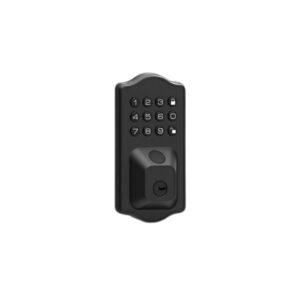
At its heart, a keycode lock is a beautifully over-engineered replacement for your janitor’s keyring. These systems combine hardened steel physical components with encrypted microcontrollers that make Pentagon IT guys nod approvingly. The magic happens when users input their unique PIN (or tap an app), triggering solenoids that move locking bolts with satisfying precision – like a Swiss watch that keeps out burglars.
How Keycode Locks Differ from Traditional Locks
Unlike their dumb-keyed cousins, keycode lock systems offer brainpower that would put chess grandmasters to shame. Where traditional locks only understand “key inserted = open,” smart keypads can differentiate between employees, guests, and cleaning staff – and remember who opened what door at 2 AM. They’re the difference between a guard dog and a psychic guard dog that emails you photos of intruders.
Main Components of a Quality Keycode Lock
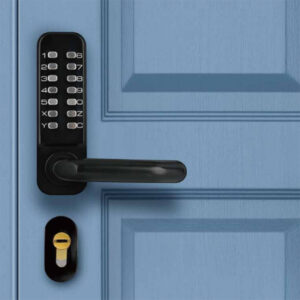
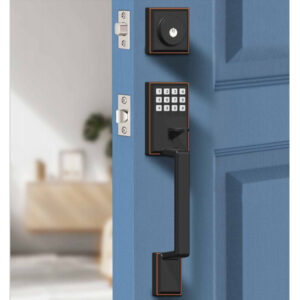
The three musketeers of keycode lock construction are: 1) The keypad (your user interface with backlit buttons that survive 10,000 angry punches), 2) The control module (the mini-computer running the show), and 3) The actuator (the beefy mechanism that actually moves the bolt). Skimp on any of these and you’ll end up with a glorified calculator glued to a door.
3. Benefits of OEM Keycode Locks for Brands
Eliminating Key Management Headaches
Let’s be real – traditional key management is about as enjoyable as a root canal. With keycode lock systems, you can kiss goodbye to the nightmare of lost keys, expensive rekeying services, and that one employee who somehow always “forgets” to return their access card. These smart systems allow instant credential revocation with a few clicks – no more changing every lock in the building when Bob from accounting gets fired for “creative bookkeeping.” The administrative savings alone will make your facilities manager weep tears of joy.
Enhanced Security Without Physical Keys
Physical keys are about as secure as a screen door on a submarine – they get copied, lost, or “borrowed” more often than your office stapler. Keycode lock solutions eliminate these vulnerabilities through encrypted digital credentials that can’t be duplicated at the local hardware store. Advanced models even detect brute-force entry attempts and automatically trigger alarms – because nothing ruins a burglar’s day like a lock that fights back. For high-security areas, some systems now incorporate multi-factor authentication requiring both a PIN and biometric verification.
Custom Branding Opportunities
Why settle for generic hardware when your keycode lock can be a brand ambassador? OEM manufacturing allows for everything from subtle logo engraving to full-color digital displays that showcase your branding. We’ve seen everything from luxury hotels with gold-plated keypads to tech companies that embed their app interface directly into the lock. The customization options are limited only by your imagination (and maybe your budget – let’s be real).
4. Current Market Trends in Keycode Locks
Rising Popularity in Commercial Real Estate
The commercial real estate world is embracing keycode lock technology faster than a New Yorker hailing a taxi. Modern office buildings now demand smart access systems that integrate with tenant apps, visitor management software, and even elevator controls. The latest trend? Touchless entry using smartphone credentials – because after COVID, nobody wants to touch a keypad that 500 other people have fingered. Forward-thinking property managers are using these systems to create flexible workspaces where access rights can be adjusted in real-time as tenants expand or contract.
Integration with Smart Building Systems
Today’s keycode lock isn’t just a standalone device – it’s becoming the nervous system of intelligent buildings. These systems now interface with HVAC controls (automatically adjusting temperatures when rooms are unoccupied), lighting systems, and even occupancy sensors for space utilization analytics. The most advanced installations use AI to learn usage patterns and flag anomalies – like when someone tries accessing the server room at 3 AM wearing a ski mask.
Demand Surge in Hospitality Sector
Hotels are ditching plastic key cards faster than you can say “identity theft risk.” The hospitality industry is all-in on keycode lock solutions that allow:
- Mobile check-in/room entry
- Temporary access for housekeeping
- Automatic rekeying between guests
Some luxury properties now offer personalized PINs that work throughout a guest’s stay – from their room door to the spa to the minibar (dangerous, but convenient).
5. Key Features to Specify in OEM Orders
Battery Life and Power Management
Nothing kills a keycode lock rollout faster than units that croak after six months. Smart buyers specify:
- Ultra-low-power Bluetooth LE controllers
- Dual-power options (battery + hardwired)
- Advanced power management that puts the system to sleep between uses
The gold standard? Locks that send low-battery alerts before failing and can be temporarily powered via 9V battery contact points (because nobody wants to call maintenance at 2 AM).
Tamper-Proof Design Requirements
A good keycode lock should laugh in the face of:
- Lockpicks (thanks to mushroom pins and false gates)
- Drills (hardened steel inserts FTW)
- Crowbars (reinforced strike plates)
- EMP attacks (faraday cage protection)
Demand units that meet ANSI Grade 1 standards – anything less belongs on a garden shed, not your corporate headquarters.
User Capacity and Access Levels
The difference between amateur and pro-grade keycode lock systems? Granular access control. Top-tier solutions support:
- 10,000+ user codes
- 256+ distinct access levels
- Time-based permissions (perfect for cleaning crews)
- Temporary credentials (great for contractors)
Make sure the admin interface doesn’t require a computer science degree to operate – your security guard should be able to manage it between coffee breaks.
6. Material Selection for Durability
Best Metals for High-Traffic Installations
For locations that see more action than a Times Square hot dog vendor, specify:
- 316 marine-grade stainless steel (corrosion-resistant)
- Heavy-duty zinc alloy with reinforced load points
- Titanium-coated contact surfaces (for those sweet, sweet wear characteristics)
Avoid cheap pot metal like the plague – it’ll fail faster than a New Year’s resolution.
Weatherproofing for Outdoor Applications
An outdoor keycode lock needs to survive everything from desert heat to polar vortices. Demand:
- IP68 waterproof ratings
- UV-resistant polymer overlays
- Self-draining keypad designs
- Heated touchscreens for cold climates (yes, this exists)
Bonus points for units that pass MIL-STD-810G testing – if it’s good enough for Arctic warfare, it’ll handle your condo association’s pool gate.
Finish Options for Brand Aesthetics
Gone are the days when security meant ugly hardware. Today’s keycode lock finishes include:
- PVD coatings in 200+ colors
- Brushed and polished metal options
- Custom RGB backlighting
- Even transparent polycarbonate for that “FBI server room” look
Just remember – the fancier the finish, the more you’ll pay. That holographic nano-coating might look cool, but is it worth an extra $75 per door?
7. Manufacturing Process Insights
Precision Engineering for Reliable Performance
When we talk about keycode lock manufacturing, we’re discussing tolerances tighter than a submarine hatch – we’re talking ±0.05mm precision on critical components. The best OEMs use Swiss-style CNC machines that could carve the Lord’s Prayer on a pinhead while maintaining brutal consistency across 100,000 units. This isn’t your grandpa’s lock factory – it’s more like a semiconductor clean room meets a gunsmith’s workshop.
Quality Control at Production Stages
Real talk: A keycode lock is only as good as its weakest circuit board. Top manufacturers implement a “quality firewall” system with checkpoints more rigorous than airport security:
- X-ray inspection of solder joints
- Salt spray testing for corrosion resistance
- 48-hour burn-in testing at extreme temperatures
They’ll reject an entire batch if one unit fails the “angry janitor test” – 50 consecutive slams with a 20lb force.
Assembly Line Best Practices
The magic happens when automated optical alignment systems marry keypad assemblies to lock bodies with the precision of a NASA docking maneuver. Workers with magnifier headsets perform final inspections under 2000-lux lighting – because the human eye still beats cameras for spotting micro-scratches. Pro tip: Ask if they use ESD-safe workstations unless you want static electricity to slowly murder your electronics.
8. Customization Options Available
Brand Logo Integration Techniques
Forget tacky stickers – we’re talking laser etching that’ll outlast the Pyramids, or sublimation printing that bakes your logo into the polymer at a molecular level. One luxury hotel chain even embeds miniature OLED displays that show their logo when activated – because apparently regular backlighting wasn’t bougie enough. Just remember: The more intricate the artwork, the more you’ll pay in tooling costs.
Color Matching to Corporate Identity
Pantone color matching is just the start – premium keycode lock OEMs now offer finishes like:
- “Brushed champagne gold” (for when silver feels too pedestrian)
- “Midnight obsidian” (a black so deep it sucks in light)
- “Holographic nanostructured” (changes colors like a mood ring)
Protip: Specify your colors under D65 lighting conditions unless you want your brand blue to look teal under office fluorescents.
Unique Form Factor Designs
Why settle for rectangles when your keycode lock could be:
- A sleek arc that follows door contours
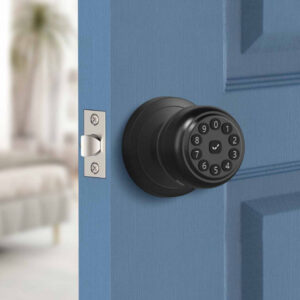
- A minimalist circle with hidden capacitive buttons
- Even a replica of your company mascot (yes, someone actually made bear-shaped locks)
The only limit is your imagination (and physics, and budget, and manufacturing feasibility… but mostly imagination).
9. Smart Technology Integration
Bluetooth Connectivity Options
Modern keycode lock systems don’t just open doors – they’ll text you when the cleaning staff arrives and email monthly access reports. Bluetooth LE modules consume less power than a digital watch while maintaining connections up to 100 feet through doors. Just make sure your spec sheet includes AES-256 encryption – unless you want hackers treating your building like an all-you-can-enter buffet.
Mobile App Control Capabilities
The best systems offer apps that let you:
- Grant one-time access to contractors
- See real-time “who’s where” status
- Remotely lock down entire facilities
Bonus points if the app includes augmented reality troubleshooting – point your camera at a malfunctioning lock and it overlays repair instructions like Tony Stark’s lab.
Biometric Add-On Possibilities
Fingerprint scanners are just the appetizer – new-gen keycode lock systems can integrate:
- Palm vein recognition (harder to fake than fingerprints)
- 3D facial mapping (works in total darkness)
- Even gait analysis (identifies people by how they walk up to the door)
Though maybe skip voice recognition – the last thing you need is a parrot learning to say “open sesame” to your server room.
10. Compliance and Certification
International Security Standards
A proper keycode lock should have more certifications than a Michelin-starred restaurant:
- EN 14846 for mechanical strength
- UL 294 for access control systems
- IP65 rating for weather resistance
- GDPR compliance for data collection
Missing any of these is like buying a parachute that’s “mostly” FAA-approved.
Fire Code Requirements
Here’s where it gets spicy – your fancy electronic lock must fail safe during fires, but secure during break-in attempts. The solution? Intelligent keycode lock systems with:
- Fire alarm interface modules
- Backup power that lasts 72+ hours
- Mechanical override that doesn’t compromise security
It’s like designing a bank vault that turns into an emergency exit when needed.
Data Privacy Regulations
With great connectivity comes great responsibility – ensure your OEM provides:
- End-to-end encryption
- Right-to-be-forgotten data purging
- Regular firmware security patches
Otherwise, you might accidentally create a hacker’s playground with your building as the jungle gym.
11. Cost Factors in OEM Production
Volume Discount Break Points
Here’s where the rubber meets the road – most keycode lock manufacturers have pricing tiers that kick in at 500, 1,000, and 5,000 unit quantities. But here’s the inside baseball: the sweet spot is often at 7,500 units where you’ll see a 15-20% price drop. Smart buyers negotiate “stairstep” pricing where costs decrease incrementally as you hit certain milestones throughout the year. Just watch out for MOQ traps – some suppliers lure you in with low per-unit pricing but require container-load quantities that could supply a small country.
Customization Cost Drivers
That sweet custom color match or proprietary mounting system comes at a price, typically adding 20-40% to base costs. The big ticket items?
- New injection molds ($5,000-$15,000)
- Unique PCB designs ($3,000-$8,000)
- Proprietary software development ($10,000+) Protip: Always request modular designs that allow future upgrades without full retooling – your future self will thank you when version 2.0 rolls around.
Hidden Fees to Avoid
The devil’s in the details with these charges:
- Tooling “storage fees” after first year
- Excessive sample costs (shouldn’t exceed 2-3% of order value)
- Vague “engineering support” line items Demand an all-inclusive quote with a not-to-exceed clause – because nothing ruins a project budget like discovering your $25 lock actually costs $37 after all the add-ons.
12. Lead Time Considerations
Standard Production Timelines
From PO to port, here’s what to expect:
- 4-6 weeks for standard configurations
- 8-10 weeks for custom designs
- Add 4 weeks for ocean freight Hot tip: Chinese New Year can add 3-5 weeks to timelines – savvy buyers place orders in October to avoid the spring backlog. Always confirm if lead times include:
- Sample approval
- Regulatory testing
- Final packaging
Rush Order Possibilities
Need it yesterday? Expedited production can compress timelines by 30-50%, but expect to pay a 25-100% premium. True emergency? Some OEMs maintain buffer stock of common configurations – you might get lucky. The real pros build relationships with multiple suppliers to create unofficial backup capacity.
Shipping and Logistics Planning
The container crunch isn’t over, folks. Smart strategies include:
- Booking vessel space before production completes
- Considering air freight for critical first shipments
- Using bonded warehouses for regional distribution Always verify INCOTERMS – that “FOB” quote doesn’t help when your locks are stuck in customs purgatory.
13. Quality Assurance Protocols
Stress Testing Methodologies
We’re not talking about locking/unlocking a few times – proper keycode lock testing includes:
- 100,000 cycle endurance tests
- IPX7 waterproofing (submerged for 30 minutes)
- -40°C to 85°C thermal shock cycles The best suppliers provide video documentation – seeing a lock survive a literal hammer test builds confidence.
Cybersecurity Validation
With great connectivity comes great vulnerability. Demand:
- Penetration test reports
- FIPS 140-2 certification
- Regular firmware update commitments One hotel chain learned the hard way when hackers exploited weak encryption to access 200 rooms simultaneously.
Longevity Testing Procedures
Accelerated aging tests simulate:
- 5 years of UV exposure in 500 hours
- 10 years of button presses via robotic actuators
- Chemical resistance to cleaners, sunscreen, and hand sanitizer
Because that keypad needs to survive both Canadian winters and Florida humidity without missing a beat.
keycode lock 4 14. Choosing the Right OEM Partner of Keycode Lock
Factory Audit Checklist
Don’t just check boxes – dig deep:
- Verify material certs match what’s in inventory
- Observe how they handle defect containment
- Interview line workers about training Red flag: Spotless showroom but chaotic production floor.
Sample Evaluation Criteria
Put samples through hell:
- Try freezing then immediately boiling
- Simulate 5 years of use in 2 weeks
- Attempt to trigger false positives One buyer discovered their “weatherproof” locks failed when tested with actual weather.
Contract Negotiation Tips
Key clauses to include:
- Liquidated damages for late delivery
- IP ownership specifications
- Spare parts availability guarantees Always have local legal review – that “standard” Chinese contract may have unusual terms.
15. Case Studies of Successful Implementations
Hotel Chain Master Key System
A 150-property group replaced metal keys with keycode lock systems featuring:
- Property-specific encryption
- Housekeeping time windows
- Automatic expiration for guest codes Result: 92% reduction in lock-related service calls and eliminated $250k annual rekeying costs.
Corporate Campus Upgrade
Tech giant installed 3,200 smart locks with:
- Badge reader integration
- Pandemic contact tracing
- Occupancy-based HVAC triggering ROI achieved in 14 months via energy savings alone.
Government Facility Installation
High-security site implemented:
- Biometric multifactor authentication
- Tamper-evident mechanical design
- EMP-hardened electronics Now passes classified material storage audits with flying colors.
16. Future of Keycode Lock Technology
Emerging Authentication Methods
Soon enough, your face, heartbeat, or even typing rhythm could replace PIN codes. Experimental keycode lock prototypes now authenticate users via palm vein scanning – because fingerprints are so 2010. The next frontier? AI that learns your knocking pattern and opens only for your special “shave-and-a-haircut” rhythm.
Sustainable Manufacturing Trends
The industry’s moving toward keycode lock bodies made from recycled aircraft aluminum and solar-powered keypads. One manufacturer even developed a biodegradable keypad overlay that decomposes into fertilizer (though hopefully not while still on your door). The goal: security so green it makes Greta Thunberg smile.
Market Growth Projections
Analysts predict the keycode lock sector will grow faster than a teenager’s appetite, with commercial applications leading the charge. As prices drop and tech improves, we’ll see these systems everywhere from rural barns to space stations – the final frontier for keyless entry.
Conclusion
The keycode lock revolution isn’t coming – it’s already here, and procurement teams who ignore it risk being left with warehouses full of obsolete brass keys. From customizable OEM solutions to cutting-edge biometric integrations, these systems offer unprecedented security, convenience, and yes, even style points. The smart move? Partner with manufacturers who understand both hardened steel and software updates – because in this market, you need a supplier that’s equal parts blacksmith and Silicon Valley coder. Now go forth and bid farewell to lost-key headaches forever.