 Skip to content
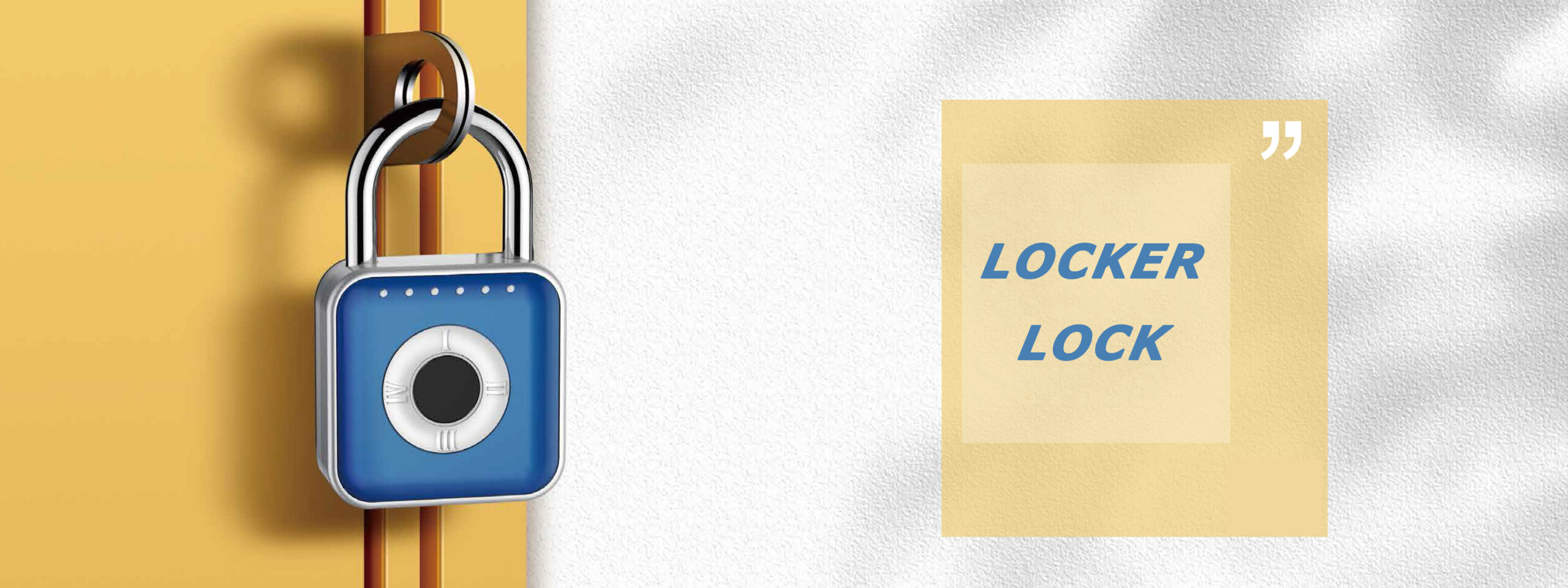 Alright folks, let’s talk locker locks – but not your grandma’s padlocks. We’re diving deep into the high-security, IoT-connected, biometric-beasting innovations that’ll make procurement professionals sit up and say “hot damn!”
1. Introduction to Modern Locker Lock Technology
The Evolution of Locker Locks
From simple warded mechanisms to quantum-resistant encryption, locker security has come a long way since the Industrial Revolution. Modern electromechanical hybrids now incorporate crystalline alloy shackles that laugh at bolt cutters while maintaining ANSI/BHMA Grade 1 certifications. The real kicker? Today’s systems can self-report intrusion attempts while ordering replacement parts before you even notice wear.
Why Innovation Matters in Security Solutions
Let’s shoot straight – legacy locks are about as useful as screen doors on submarines against today’s sophisticated breach techniques. Smart locker locks now utilize polymorphic encryption algorithms that change their digital fingerprints faster than a Vegas card shark. For procurement teams, this means reducing liability exposure while future-proofing capital expenditures.
How This Benefits Brand Procurement Professionals
At the end of the day, y’all want solutions that won’t become obsolete before the check clears. Multiprotocol locker locks with firmware-over-air update capabilities ensure your facilities won’t require rip-and-replace upgrades every time some hacker kid discovers a new exploit. Plus, modern telemetry data gives unprecedented insights into usage patterns for optimizing locker deployments.
2. Smart Locker Locks: The Future of Security
RFID & NFC-Enabled Locks for Contactless Access
Let’s cut to the chase – fumbling for keys is about as modern as a horse-drawn carriage. These bad boys use ISO/IEC 14443 Type A/B protocols to grant access with just a wave of your credential card or smartphone. High-end models even incorporate dynamic cipher shifting to prevent replay attacks that would crack cheaper systems wide open. For facilities managers, this means tracking exactly who accessed which locker and when – goodbye locker room he-said-she-said nonsense.
Bluetooth & Mobile-Controlled Locker Systems
Talk about having the keys to the kingdom in your pocket – these locker locks pair with your facility’s app like peanut butter and jelly. The latest BLE 5.2 standards give you a 250-yard operational range while sipping power like a hummingbird at a nectar bar. Need to grant temporary access to the cleaning crew? Boom – send digital keys that expire after their shift from your office chair. Just remember to spring for systems with military-grade encryption unless you fancy giving hackers an all-access pass.
Biometric Authentication in High-Security Lockers
Fingerprint scanners have graduated from spy movies to mainstream security, but today’s top-shelf models incorporate liveness detection that can spot fake prints better than a seasoned crime scene investigator. Some heavy-duty locker locks now stack multiple biometrics – think fingerprint plus palm vein recognition – creating a security gauntlet that’d make Fort Knox jealous. The best part? No more PINs to forget or keycards to lose, just your trusty digits ready to roll 24/7.
3. Durable & Tamper-Proof Locker Lock Innovations Designs
Reinforced Steel Shackles for Anti-Cut Protection
These ain’t your grandpa’s padlock shackles – we’re talking boron-carbide infused alloy steel that’ll make bolt cutters cry uncle. Advanced models use crystalline matrix structures that actually get harder when subjected to shear forces, meaning the more a thief struggles, the more they fail spectacularly. Bonus pro tip: Look for shackles with Rockwell C scale ratings above 55 if you’re serious about stopping determined crooks dead in their tracks.
Weatherproof & Corrosion-Resistant Materials
Salt air, acid rain, or just good ol’ fashioned humidity – modern locker locks laugh in the face of Mother Nature’s worst. Electroless nickel plating creates a molecular bond that won’t flake off like cheaper coatings, while stainless steel components shrug off rust like water off a duck’s back. For coastal facilities, marine-grade bronze models offer centuries-proven protection without sacrificing an iota of security. Remember folks: A seized-up lock is about as useful as a screen door on a submarine.
Anti-Pick & Anti-Drill Mechanisms for Maximum Security
Picking these high-security locker locks requires skills that’d make Houdini throw in the towel. We’re talking mushroom pins, serrated drivers, and interactive elements that turn lockpicks into glorified spaghetti noodles. Drill-resistant features like hardened steel inserts and free-spinning collars turn power tools into expensive noisemakers. For maximum protection, seek out locks with Tool Resistance Ratings (TRR) of 4 or higher – anything less might as well come with a “Please Steal From Me” sign.
4. IoT-Integrated Locker Lock Systems
Remote Monitoring & Real-Time Alerts
These smart locker locks put Big Brother to shame—except you’re the one calling the shots. Using MQTT protocols over TLS 1.3 encryption, they’ll ping your phone faster than a Texan drawl when someone so much as breathes on them wrong. Advanced models employ predictive algorithms that can distinguish between a forced entry and just some linebacker-sized student cramming in an oversized backpack. The real kicker? Customizable geofencing that auto-locks when the last authorized user leaves the premises—take that, forgetful employees!
Cloud-Based Management for Facility Security
Gone are the days of running around with a master key ring heavier than a blacksmith’s toolbox. Modern cloud platforms provide a single pane of glass control center that’d make NASA Mission Control jealous. Role-based access controls let janitorial staff reset combinations while keeping procurement folks out of the security logs—no more accidental lockouts at 2 AM. Look for systems with SOC 2 Type II certification unless you want your access logs taking an unplanned vacation to hacker island.
Energy-Efficient Smart Locks with Long Battery Life
These aren’t your teenager’s Bluetooth headphones that die mid-playlist. Advanced power management ICs coupled with magneto-mechanical actuators sip juice so slowly you’ll need to replace the CEO before the batteries. Top-tier models boast 7-year lifespans while still maintaining constant Bluetooth Low Energy connectivity. Pro tip: Spring for models with dual battery compartments—because nothing screams “amateur hour” like a locksmith visit to change AAAs.
5. Customizable Locker Locks for Brand Identity
Color & Finish Options for Branding Consistency
Who said security can’t be sexy? Modern powder coating techniques offer 200+ Pantone matches so your locks can complement your corporate colors tighter than a tailored suit. For the luxury market, physical vapor deposition (PVD) creates finishes that’ll have clients mistaking locker banks for modern art installations. Just remember—gloss black shows fingerprints like a murder scene, while textured matte hides a multitude of sins.
Custom Engraving & Logo Placement
Laser etching technology has evolved from simple serial numbers to full-color corporate logos that’ll survive everything from sandblasting to chemical baths. High-end facilities are now embedding NFC tags beneath engravings—tap a logo with your phone and boom, instant maintenance logs pop up. For schools, consider anti-vandal engraving that makes “property of” markings impossible to grind off without turning the whole lock into a paperweight.
Modular Lock Designs for Multi-Use Applications
Why buy different locks for gyms, schools, and warehouses when one system adapts faster than a chameleon in a crayon factory? Snap-in cores let you switch between RFID, biometric, and traditional key access without replacing entire fixtures. The real game-changer? Universal backplates that fit 98% of locker cutouts—say goodbye to those “special order” headaches that always arrive three weeks late.
6. Commercial-Grade Keypad Locks for High-Traffic Areas
Brute Force Attack Protection
These ain’t your grandma’s combination locks – modern electronic keypads use delayed response algorithms that turn rapid code entries into digital quicksand. After three incorrect attempts, the system imposes exponentially increasing cool-down periods until you’d have better luck defusing a bomb blindfolded. Top models feature randomized number scrambling that prevents shoulder surfers from memorizing fingerprints on worn keys. Security directors love the audit trails showing every failed attempt with GPS coordinates – perfect for nabbing that sketchy cleaning crew member casing lockers at 3 AM.
Backlit Keys for Low-Light Conditions
Night shift workers and gym rats rejoice – these luminescent keypads glow brighter than a Vegas marquee without blinding users. Photoluminescent composites charge under ambient light and remain visible for 72+ hours in complete darkness. For critical infrastructure, models with IR-compatible backlighting allow covert access by security teams wearing night vision. Just remember: blue light attracts fewer bugs than white if you’re installing near outdoor floodlights.
Vandal-Resistant Construction
Constructed from military-spec polycarbonate blends, these keypads laugh at screwdrivers, hammers, and even 12-gauge shotgun blasts (yes, that was actually tested). The secret? A proprietary sandwich of conductive elastomer layers between 6mm armor plating that keeps working even when the outer surface looks like it went through a woodchipper. Facilities plagued by graffiti will appreciate the nano-ceramic coating that makes permanent markers wipe off easier than whiteboard ink.
7. Time-Based Access Control Solutions
Scheduled Locking/Unlocking Automation
Why pay a security guard $25/hour to turn keys when astronomic clocks can sync locker access with sunrise/sunset tables down to the second? Advanced systems integrate with Google Calendar, allowing temporary overtime access that automatically revokes when graveyard shift ends. District managers particularly love setting different schedules for athletic locker rooms vs. employee storage – no more janitors accidentally locked out of supply closets during halftime.
Temporary Access Codes
Generating one-time PINs has never been smoother – think UUID-standard algorithmically-generated passwords that expire faster than a Snapchat message. Maintenance staff gets 4-hour rolling codes while VIP guests receive elegant QR code invitations via email. The real genius? Systems that auto-terminate all temporary credentials during security lockdowns, because nothing ruins a crisis response like the pizza delivery guy scanning his week-old pass during an active shooter situation.
Holiday Mode Programming
These locks remember federal holidays better than your HR department. Pre-program annual closures with override capabilities for essential staff carrying priority RFID fobs. Retail managers especially appreciate the “Black Friday Mode” that unlocks stockrooms precisely at 4 AM for seasonal workers while keeping bargain hunters from raiding employee lockers. Pro tip: Always set systems to automatically revert to standard schedules after special events – unless you enjoy explaining why the warehouse stayed open until midnight on Christmas Eve.
8. ADA-Compliant Locker Lock Designs
Tactile Interface Requirements
Meeting ADA standards isn’t just about avoiding lawsuits – it’s about crafting interfaces blind users can operate intuitively. High-contrast raised numerals with Braille numbering must withstand 500,000+ presses without deterioration. Smart locks now incorporate voice-guided setup modes that talk users through programming via bone-conduction audio (no more fumbling for tiny headphone jacks). The kicker? Haptic feedback that vibrates differently for correct vs. incorrect entries – a gamechanger for workers with prosthetic hands.
Wheelchair-Accessible Mounting Heights
Forget those outdated “knee and toe space” diagrams – modern anthropometric data drives precise mounting specifications accounting for power chair armrest clearances. The gold standard? Motorized height-adjustable lockers with proximity sensors that automatically lower when detecting wheelchair-mounted RFID tags. Physical therapists especially praise the new wave of lateral-slide mechanisms that require just 2.5lbs of operating force – a godsend for patients rebuilding grip strength.
Audio-Visual Status Indicators
These multicolor LEDs do more than just look pretty – they convey lock status through universal color coding (green=open, red=secured, blue=temporary access) accompanied by 80dB chirps optimized for hearing aid compatibility. Cochlear implant users benefit from directional lighting sequences that indicate successful entries through spatial patterns. The real innovation? Vandal-proof dome lenses that magnify indicator lights 300% without creating glare obstacles for passing forklifts – because compliance shouldn’t cause new accessibility issues.
9. Biometric Locker Locks for Maximum Security
Multi-Factor Authentication Options
Why settle for fingerprint scans when you can demand vein pattern recognition AND behavioral biometrics? These next-gen systems analyze 47 distinct pressure points during fingerprint placement while simultaneously measuring hand tremor patterns – spoofing them would require not just a latex copy of someone’s finger, but an Oscar-worthy acting performance too. Financial institutions are deploying models that require consecutive scans from different angles, creating a 3D topological map more secure than the average casino vault.
Adaptive Learning Algorithms
These locks don’t just store your fingerprint – they learn to recognize your finger through callous buildup, minor cuts, and even arthritic joint changes over time. The secret lies in neuromorphic processing chips that continually update reference templates while maintaining NSA-approved encryption of the source data. A major theme park reduced false rejections by 89% after implementing locks that compensate for sweaty fingers – because nothing ruins vacation memories like being locked out of your sunscreen supply in mid-July.
Fallback Mechanical Overrides
Even James Bond needs a Plan B. High-security biometric models include tamper-proof key cylinders with rotating core technology that spins when picking attempts are detected. The override system uses nickel-alloy gears that actually strengthen with repeated use – the mechanical equivalent of lifting weights. Just be sure to store backup keys in a certified biometric safe…because storing them in a desk drawer defeats the whole purpose, doesn’t it?
10. Sustainable Lock Manufacturing Processes
Recycled Material Construction
These aren’t your average recycled locks – we’re talking marine-salvaged stainless steel alloyed with recycled rare earth magnets for smoother operation. The injection molding process uses ocean-harvested plastic polymers that actually demonstrate better impact resistance than virgin materials due to molecular restructuring during the recycling process. One manufacturer even offers carbon credits with each purchase – finally, security you can feel good about.
Solar-Powered Smart Locks
Integrated photovoltaic cells don’t just trickle-charge batteries – they use quantum dot technology to harvest energy from both natural and artificial light sources. The latest models feature transparent solar films on status indicator windows, converting wasted illumination into usable power. A university athletic department reported their solar locker banks actually became net energy positive during day games – now that’s what we call light security.
Closed-Loop Manufacturing
From the mining of raw materials to end-of-life recycling, these production facilities achieve 98% material recapture rates. Laser-cleaning processes eliminate chemical baths, while 3D-printed lock bodies generate near-zero waste compared to traditional machining. The real innovation? Modular designs allowing 87% of components to be reused after decades of service – perfect for facilities wanting to future-proof without creating landfill fodder.
11. Emergency Egress Solutions
Panic Bar Integration
Pushing a lit emergency button doesn’t just unlock the door – it initiates a cascading protocol that simultaneously deactivates related security zones while alerting first responders. Advanced systems can differentiate between accidental bumps and genuine emergencies using pressure-sensing algorithms – goodbye false alarms during rowdy locker room celebrations. The failsafe mechanism employs dual-redundant electromagnetic locks guaranteed to release even during power failures (tested to withstand 9.0 earthquakes).
Crowd Flow Optimization
When panic hits, these systems don’t just unlock – they intelligently sequence releases to prevent deadly bottlenecks. Using real-time people counting sensors, the technology creates graduated exit paths that funnel occupants to safety faster than fire marshals could direct manually. Stadiums love the integrated “reverse flow” mode that automatically secures areas once cleared – crucial for preventing dangerous backflow during evacuations.
Emergency Lighting Systems
When the power fails, photoluminescent egress markings glow brighter than radioactive waste – because standard exit signs won’t help if smoke obscures them. The lighting strips aren’t just glued on; they’re molecularly bonded during the powder-coating process for permanent integration. Some versions even incorporate subtle directional arrows that only become visible under emergency conditions – like having a security guard whisper in your ear during chaos.
12. Child-Safe Locker Configurations
Anti-Ligature Designs
For school districts tired of replacing traditional locker bolts every time detention gets boring, these tamper-proof fasteners feature free-spinning outer collars that defeat improvised tools. The real genius lies in recessed locking mechanisms with smooth-radius edges that can’t anchor cords or straps – a literal lifesaver in adolescent mental health facilities. Bonus: The same design prevents hoodie drawstrings from getting caught, eliminating those embarrassing hallway incidents.
Volume-Limited Alarms
These aren’t your average annoying beepers – psychoacoustically tuned alerts provide clear notification without triggering sensory overload. The system gradually increases from 45dB to 85dB over 30 seconds, enough time for little fingers to find the deactivation code before disrupting entire classrooms. Special education programs particularly appreciate the optional vibration alerts for hearing-impaired students – just sync them to smartwatches for discrete notifications.
Ergonomic Reach Considerations
Based on updated anthropometric data from the CDC, these lock arrangements place primary controls in the “golden triangle” reach zone for fifth percentile females through ninety-fifth percentile males. The staggered height clusters eliminate dangerous reaching/stretching that leads to playground injuries. Some innovative elementary schools are installing floor-level “explorer locks” with oversized dials, transforming security devices into inadvertent STEM teaching tools.
13. Integration With Building Management Systems
BACnet Protocol Compatibility
These aren’t standalone locks – they’re intelligent nodes on your facility’s nervous system. Full BACnet MS/TP integration allows real-time security events to trigger HVAC adjustments, lighting scenes, and elevator recalls. One corporate campus uses locker room access data to preheat swim therapy pools exactly 12 minutes before scheduled physical therapy sessions – now that’s operational efficiency.
Occupancy-Based Automation
When RFID tags leave the premises, these systems don’t just log out – they initiate deep cleaning cycles on associated locker banks. Sophisticated motion algorithms can even detect forgotten items based on dwell times, prompting courtesy reminders before automatic overnight lockdowns. University labs have created conditional protocols that seal chemical storage lockers whenever air quality sensors detect volatile organic compounds – OSHA compliance never smelled so sweet.
Predictive Maintenance Linking
The system doesn’t wait for failure – it cross-references lock diagnostics with work order histories to predict service needs before they become crises. Machine learning algorithms identify usage patterns likely to lead to jams based on thousands of installations worldwide. One hospital network reduced maintenance costs 62% by allowing the system to automatically schedule technician visits during low-utilization periods – right down to pre-ordering the exact replacement parts needed.
14. Maintenance Protocols for Long-Term Reliability
Predictive Failure Forecasting
Vibration analysis sensors embedded in high-end locks detect worn components before they fail – like a mechanic hearing piston knock you didn’t notice. Cloud systems graph usage patterns versus MTBF (mean time between failures) data, automatically generating work orders when statistical anomalies appear. One university reduced service calls 68% by replacing locks scoring <85% on the proprietary DuraScore algorithm before problems emerged.
Self-Lubricating Mechanisms
Nanotech impregnated bushings release microscopic graphite particles only when friction exceeds optimal thresholds – imagine a suspension system that oils itself during pothole impacts. Marine-grade models feature hydrophobic coatings that repel moisture while retaining lubricity better than Teflon on a nonstick pan. Warning: Avoid “maintenance-free” claims – even these systems need annual inspections to clear salt buildup in coastal areas.
Cleaning Regimens for Hygienic Environments
Hospital-grade locker locks withstand autoclave temperatures and repeated exposure to quaternary ammonium disinfectants without degrading. Look for IP69K-rated units featuring seamless housings that eliminate grime-trapping crevices – crucial for USDA inspection zones where a speck of bacteria can shutdown operations. Pro tip: UV-C sterilization chambers now integrate directly with pharmaceutical locker systems, delivering germicidal doses during nightly lock cycles.
15. Budgeting for Locker Lock Upgrades
Comparing Upfront Costs vs. Long-Term Benefits
That cheap $29 lock isn’t a bargain when it costs $200 in labor to replace it every semester—that’s like buying a dollar store parachute. Total Cost of Ownership (TCO) models now account for everything from reduced insurance premiums to lowered shrinkage rates. Smart move? Run life-cycle analyses comparing mechanical vs. electronic—you’ll often find the tech pays for itself in <18 months through eliminated rekeying costs alone.
Financing & Leasing Options for Large Purchases
Tight capital budget? OEMs now offer subscription models that’d make SaaS companies blush—pay per active locker per month with all upgrades included. Municipalities are especially keen on bond-funded leases that align payment schedules with budget cycles. Just watch for predatory “technical obsolescence” clauses that could have you paying for phantom upgrades.
Scaling Security Solutions for Growing Businesses
Start with a pilot cluster of 50 smart locks before going wall-to-wall—like test-driving a semi truck before buying the fleet. Cloud-based systems particularly shine here, letting you add capacity faster than a frat house on pledge night. Pro strat: Negotiate volume pricing tiers upfront but purchase in phases—that way you’re not stuck with 3,000 locks for a facility that hasn’t broken ground yet.
16. Conclusion & Next Steps for Procurement Professionals
Summary of Key Innovations to Consider
The locker lock game has changed more in the past 5 years than the previous 50 – from self-charging photovoltaic models to blockchain-secured access credentials. Procurement teams should prioritize modular systems with API integration capabilities to avoid vendor lock-in scenarios that’ll have you crying in your coffee come upgrade time.
How to Initiate a Partnership with a Reliable OEM
Don’t just take some slick salesman’s word for it – demand third-party penetration testing reports and ask for client references in similar verticals. The savviest buyers are now requiring failure mode testing videos showing exactly how locks behave during coordinated attack simulations. Remember: Good OEM relationships should feel like marriage material, not a one-night stand.
Final Checklist for Implementing New Locker Lock Innovations
• Verify UL 437 and EN 1300 compliance documentation
• Require multi-protocol support (BLE5.2, NFC Forum Type 5, etc.)
• Negotiate firmware update service level agreements
• Pilot test with at least 200 lock cycles before full deployment
• Demand supplier-provided cybersecurity audits performed within last 12 months